
5 Iconic Scottish Animals & Where to Find Them: The Ultimate Wildlife Guide
Posted by Scotland Gift Shop on 6th Aug 2026
Scotland is famous for its breathtaking glens, ancient castles, and dramatic coastlines, but its wild landscapes are also home to some of the most extraordinary wildlife in the British Isles. From mountain tops cloaked in snow to ancient pine forests, the country's diverse habitats support an array of fascinating creatures.
Whether you are packing your binoculars for a Highland road trip or simply want to learn more about Scotland’s native species, here are 5 iconic Scottish animals you need to know about—and where you might catch a glimpse of them.
1. The Highland Cow (The "Coos")
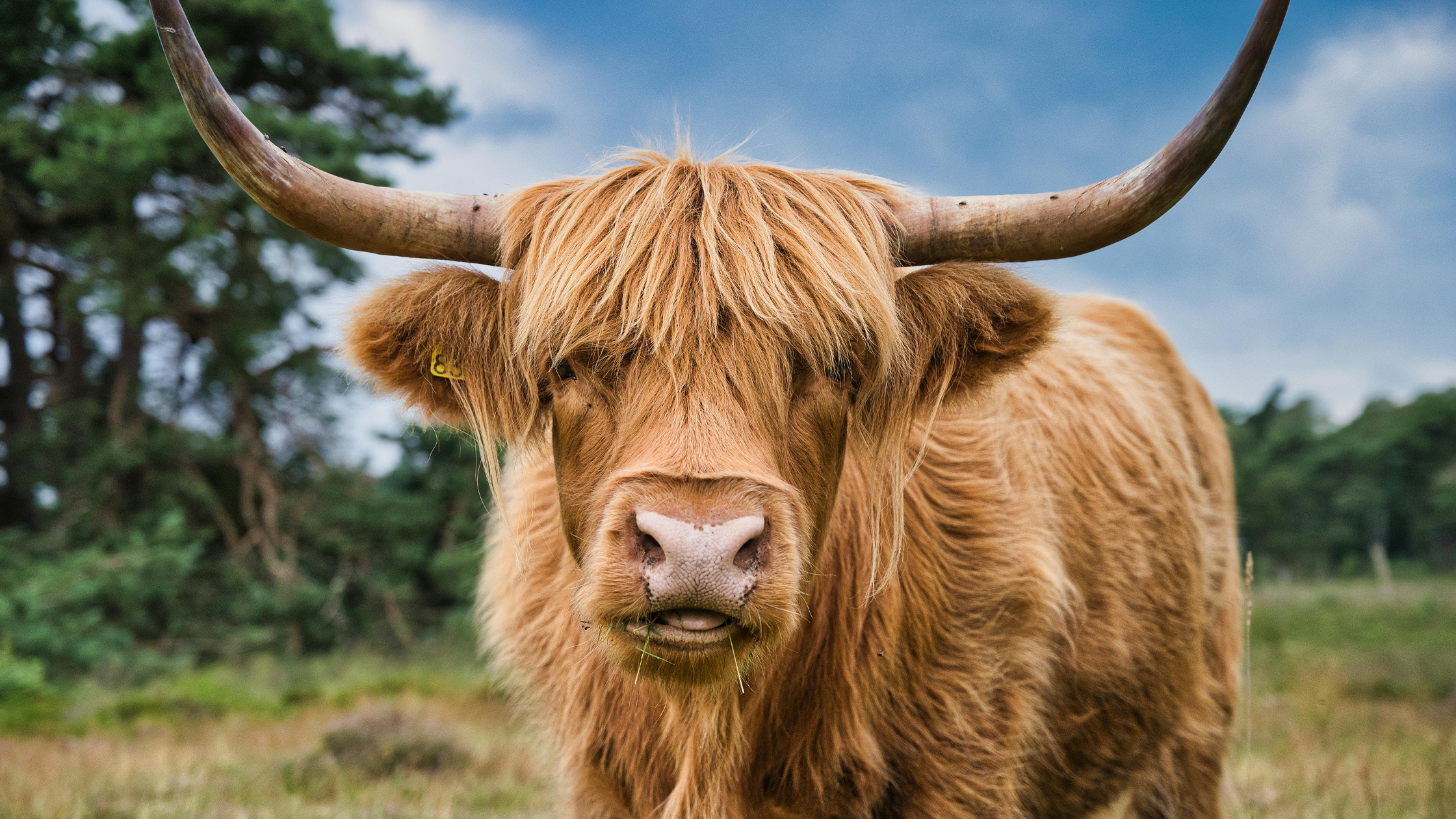
No animal is more instantly recognisable or beloved in Scotland than the Highland Cow (or "Hairy Coo" as the locals affectionately call them). Built to withstand the harshest winter blizzards, these gentle giants feature long, curved horns and a distinctive double coat of thick, wavy fur.
-
Fun Fact: Their heavy fringe—known as a "dossan"—isn't just for looks! It protects their eyes from wind, rain, and insects during wet Highland summers.
-
Best Place to Spot Them: You will find Highland cows grazing in fields across Scotland. Great spots include Rothiemurchus Estate in the Cairngorms, Pollok Country Park in Glasgow, and along the Applecross Pass on the North Coast 500.
-
Top Tip: While they are generally peaceful, always maintain a respectful distance—especially if there are young calves nearby!

2. The Scottish Wildcat (The "Highland Tiger")
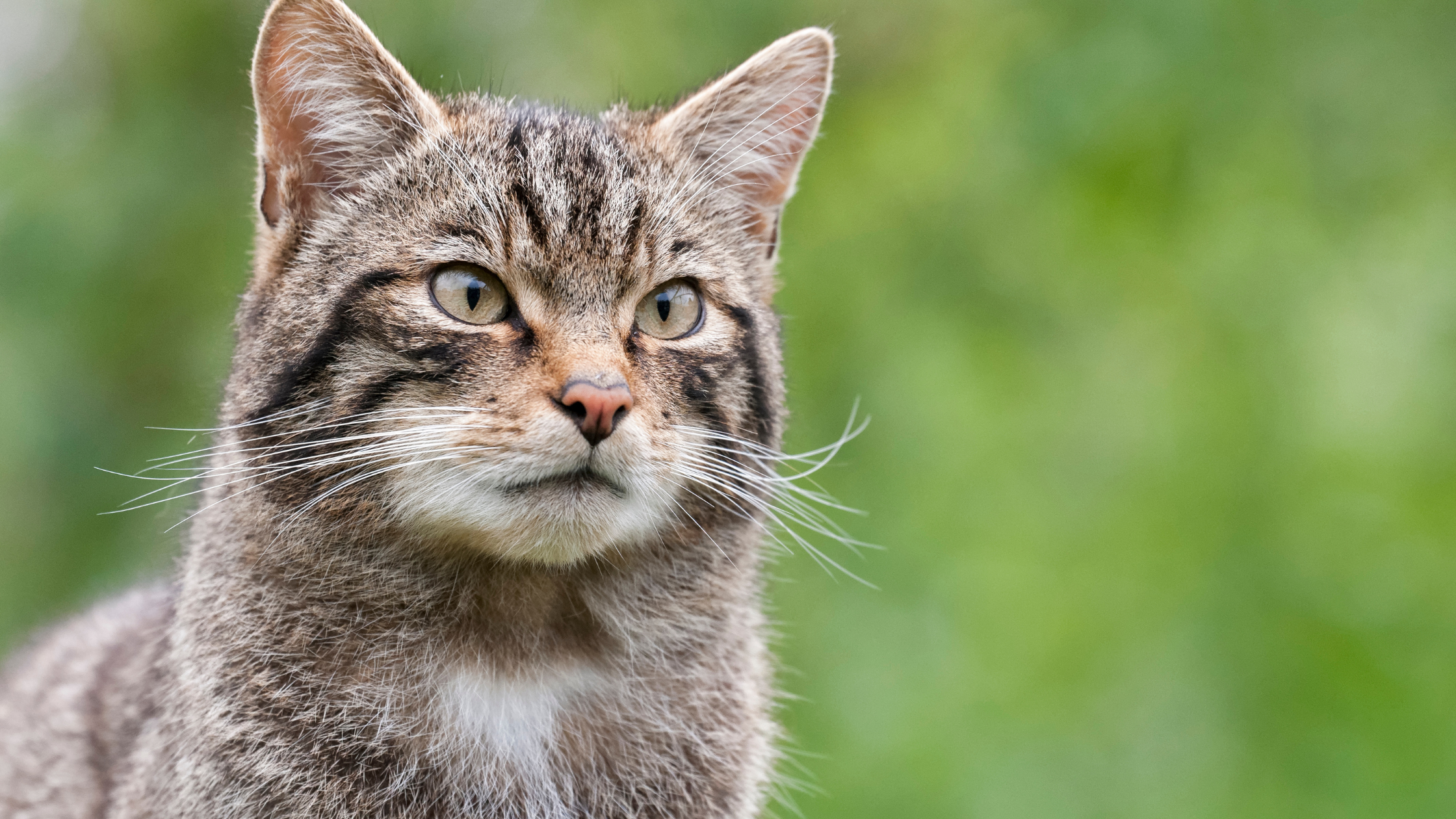
Known as the "Highland Tiger," the Scottish Wildcat is Britain's only remaining native wild felid. Larger, stockier, and far fiercer than any domestic tabby, this solitary predator features a thick coat with distinct, unbroken black stripes and a wide, bushy tail with a blunt black tip.
-
Fun Fact: Scottish wildcats are notoriously difficult to tame; even captive-born kittens retain a fiercely wild nature that sets them completely apart from house cats.
-
Best Place to Spot Them: Seeing one in the wild is extremely rare due to their nocturnal habits and low population numbers. However, conservation hubs like the Highland Wildlife Park near Aviemore offer the chance to see them up close and learn about active breeding programs aimed at saving the species.
-
Top Tip: Look closely at the tail—a true Scottish wildcat has a thick, tubular tail with distinct dark rings and no tapering at the tip.
3. The Red Deer: Monarch of the Glen
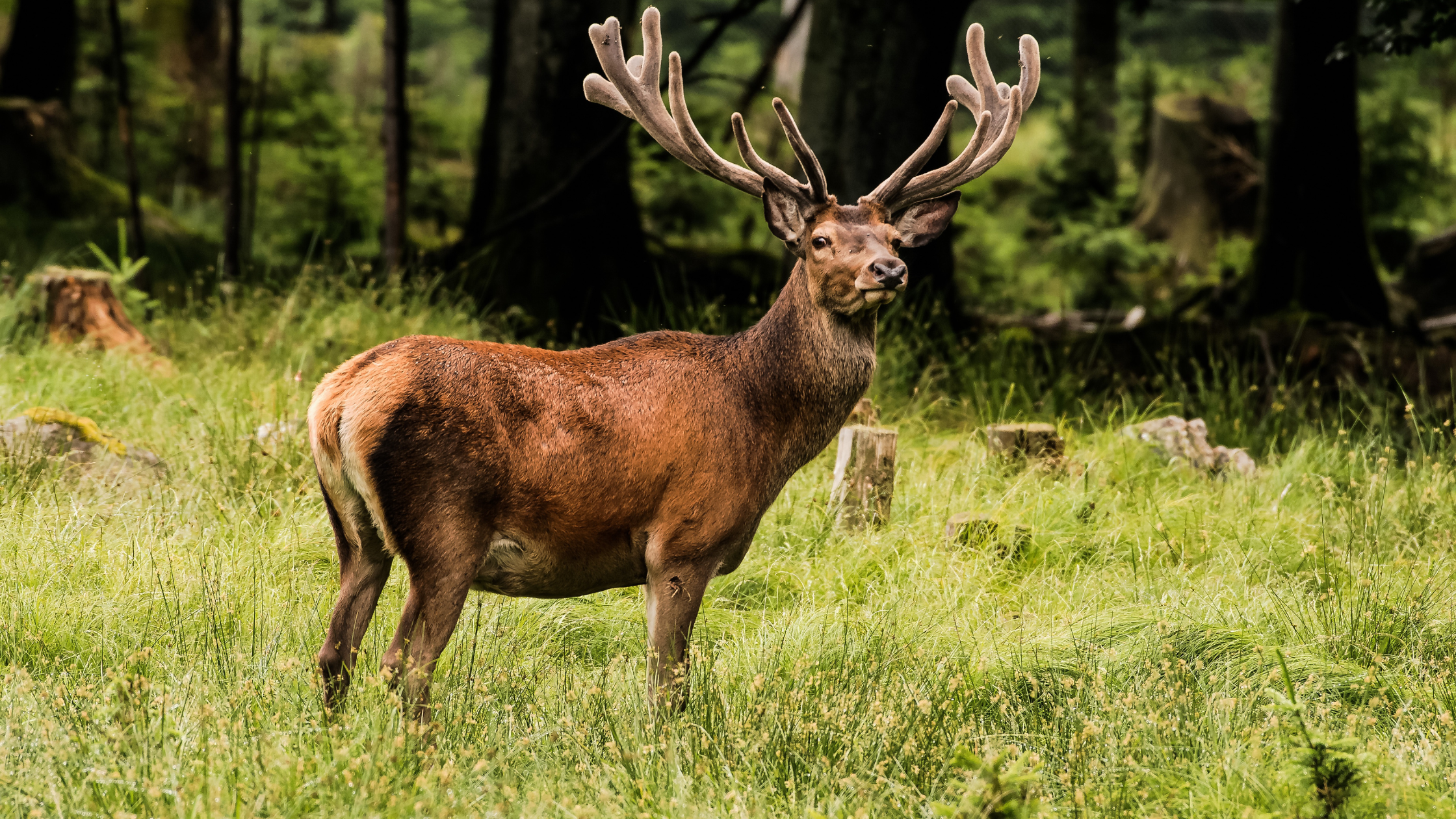
Standing tall against sweeping mountain backdrops, the Red Deer is the UK's largest native land mammal. Mature stags (males) can weigh over 200 kg and sport impressive, branched antlers that they shed and regrow every single year.
-
Fun Fact: Autumn is the "rutting" season (October-November), when stags clash antlers and emit loud, guttural roars across the glens to compete for harems of hinds (females).
-
Best Place to Spot Them: Glen Etive, Glencoe, and the Isle of Rum National Nature Reserve are world-famous locations for spotting red deer roaming close to the roads and hillsides.
-
Top Tip: Keep a pair of binoculars in your car. During warm summer months, herds often move higher up the mountains to escape heat and midges, descending into the valleys as temperatures drop.
4. The Ptarmigan: The Alpine Master of Camouflage
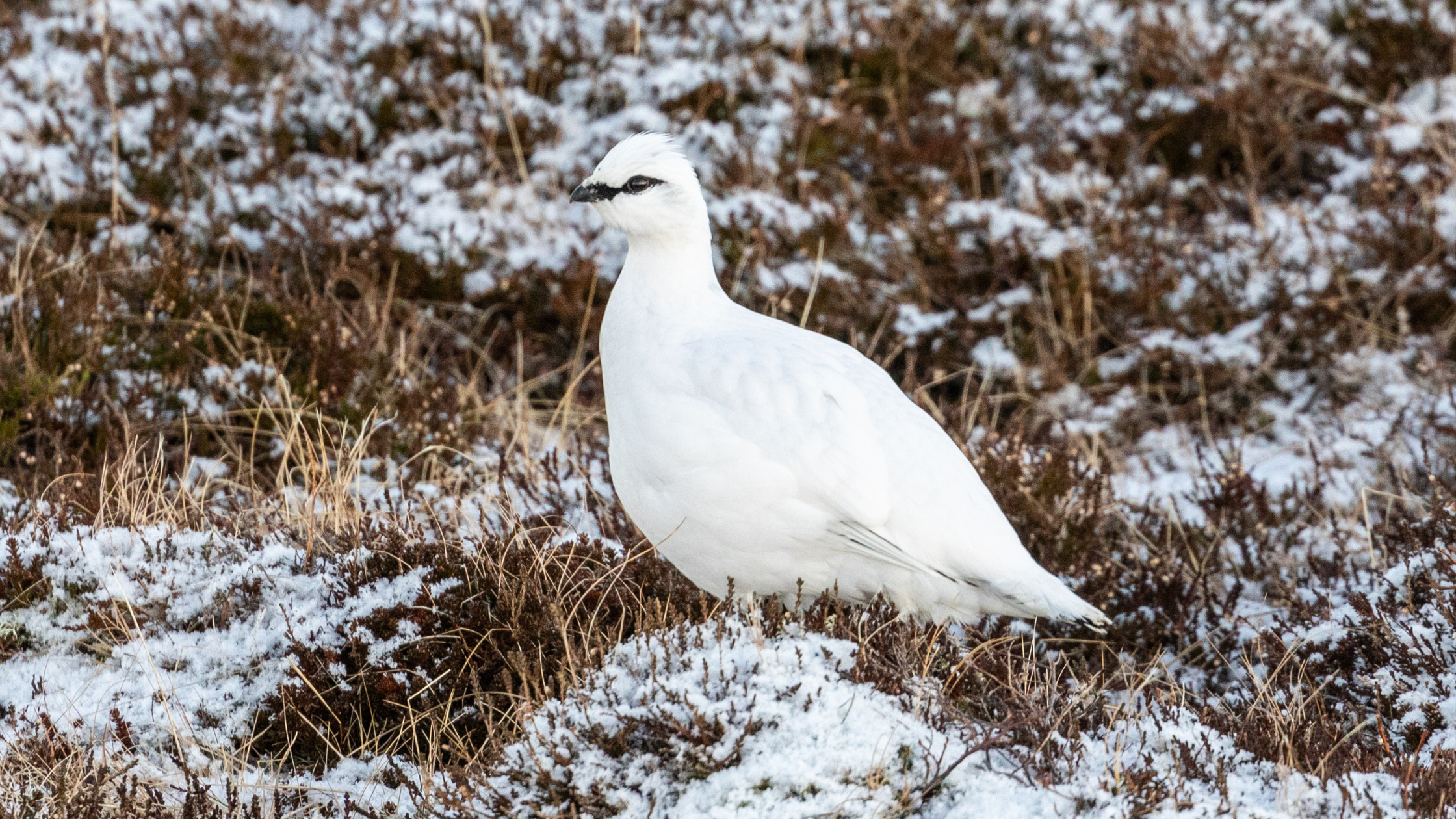
Living high above the tree line on arctic-alpine mountain plateaus, the Ptarmigan is a tough little bird capable of surviving sub-zero blizzards. What makes them truly special is their seasonal plumage, which changes colour to match their surroundings perfectly.
-
Fun Fact: They are the only bird in Britain that turns completely white in winter! In summer, their feathers shift to a mottled grey-brown tone to blend into mountain granite and heather.
-
Best Place to Spot Them: The high mountain plateaus of the Cairngorms National Park. You can often spot them near the upper walking trails around Cairn Gorm mountain itself.
-
Top Tip: Listen before you look! Ptarmigan blend into the rocky landscape so well that you will often hear their distinctive croaking call before you spot them standing still just a few feet away.
5. The Red Squirrel: Woodland Acrobat
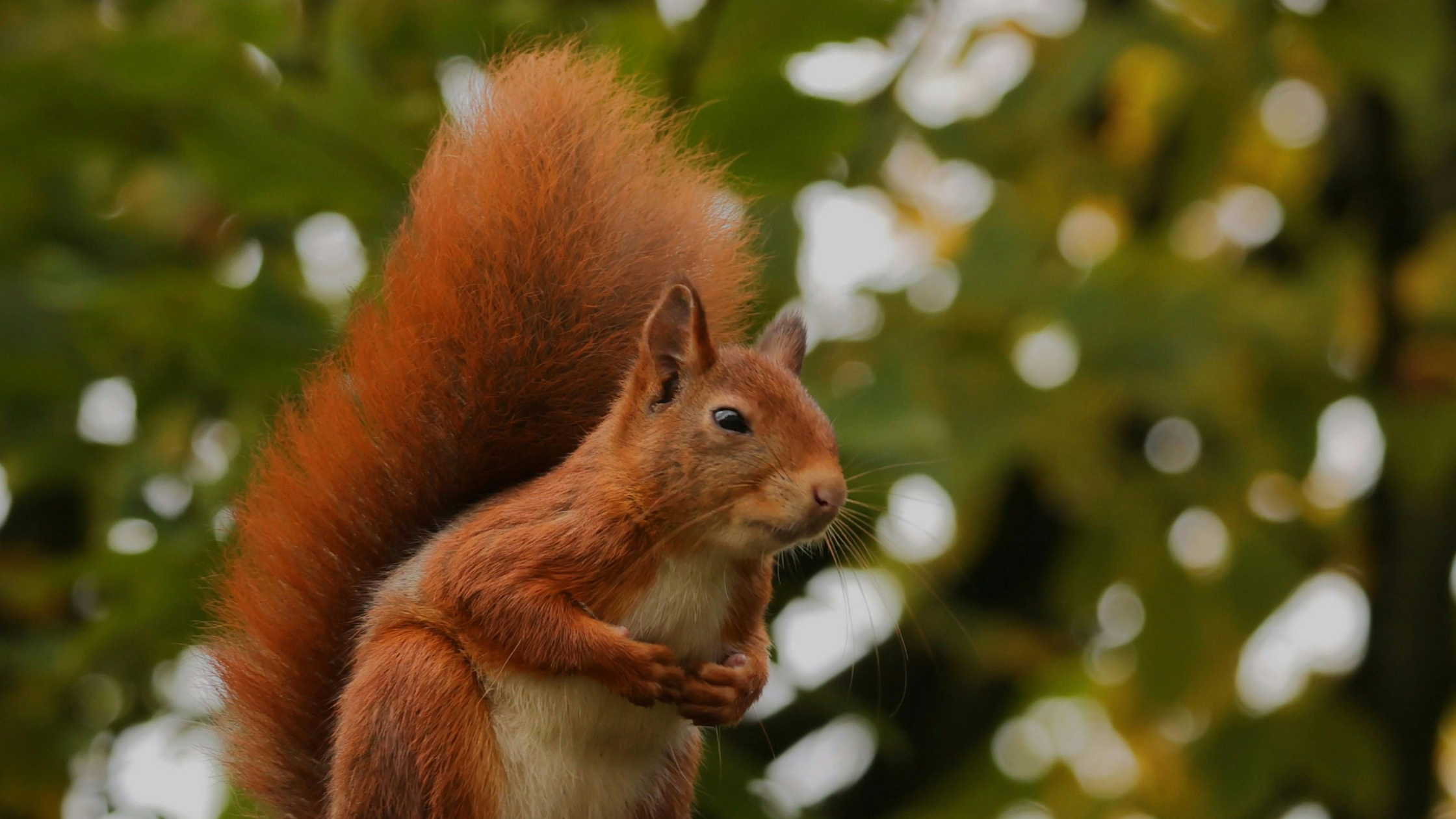
With their bushy tails, reddish coats, and distinctive ear tufts that grow longer in winter, Red Squirrels are one of Scotland's most charming woodland residents. Scotland is home to over 75% of the UK's total red squirrel population, largely thanks to its extensive native pine forests.
-
Fun Fact: Unlike grey squirrels, red squirrels do not hibernate during winter. Instead, they store caches of pine seeds, hazelnuts, and fungi underground and in tree hollows to dig up on cold mornings.
-
Best Place to Spot Them: The ancient Caledonian pine forests around Loch an Eilein in Aviemore, the Galloway Forest Park, and the woods around Loch Lomond.
-
Top Tip: Early morning is feeding time. Find a quiet spot in a coniferous woodland near bird feeders or fallen pine cones and sit quietly—you will likely hear them chattering in the canopy above!
Love Scottish wildlife? Take a piece of the Highlands home with you! Check out our
and our wide range of iconic Scottish merchandise at the Scotland Gift Shop. Highland Cow Gifts & Accessories