
The Story of Ben Nevis: Secrets of the UK’s Highest Mountain Peak
Posted by Scotland Gift Shop on 16th Jul 2026
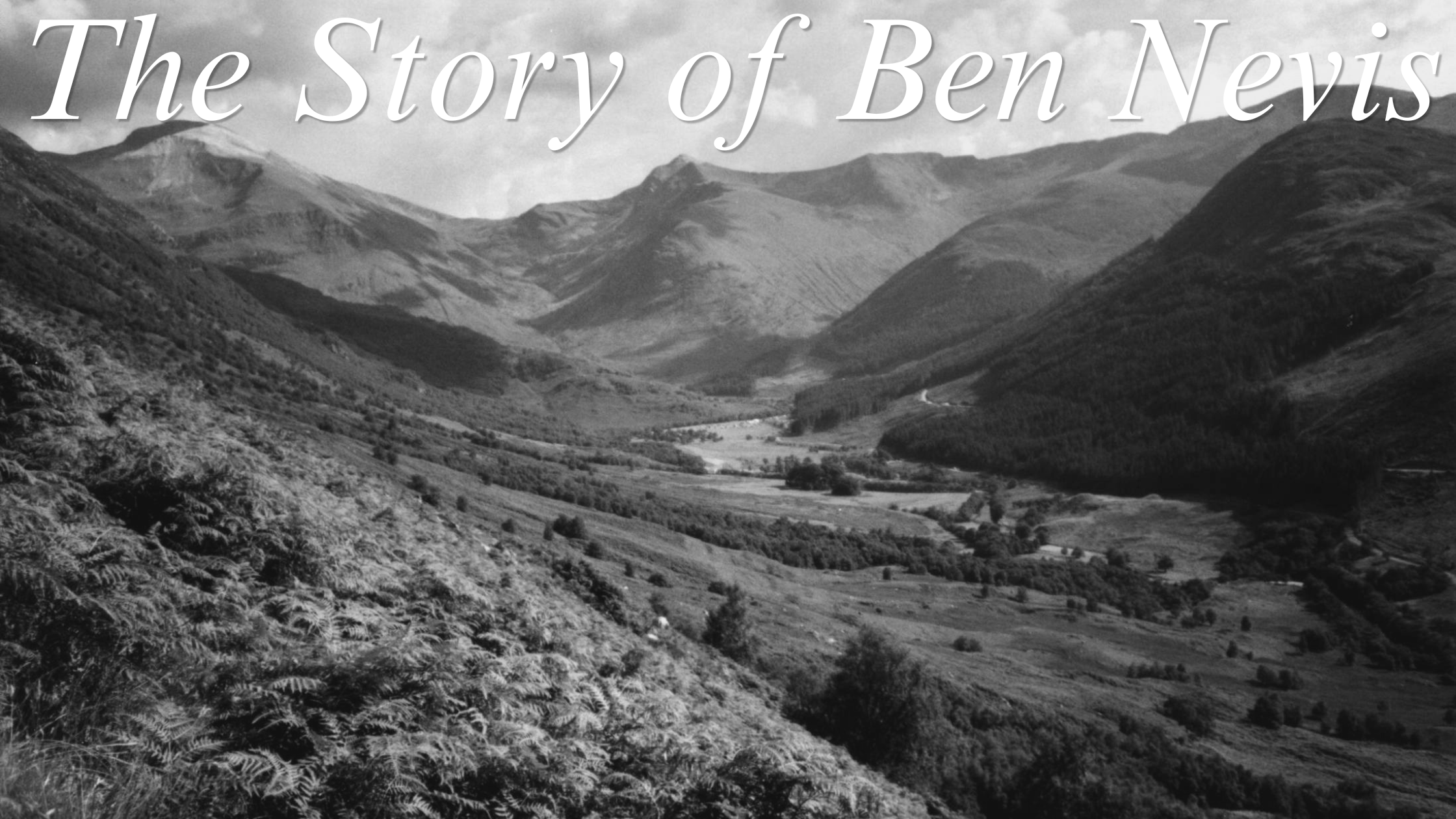
Towering proudly over the outdoor hub of Fort William in Lochaber, Ben Nevis is an absolute giant. Standing at a magnificent 1,345 metres (4,413 feet) above sea level, it is officially the highest mountain peak in Scotland, the United Kingdom, and the entire British Isles.
Known affectionately to locals simply as "The Ben," this spectacular massif attracts over 150,000 eager hillwalkers and mountaineers every single year.
Whether you are dreaming of standing on its rocky summit plateau or looking to learn more about the ancient legends of the Highlands, let's explore the fiery, mist-shrouded history of Britain's ultimate peak.
1. What's in a Name? The Menacing Gaelic Legend
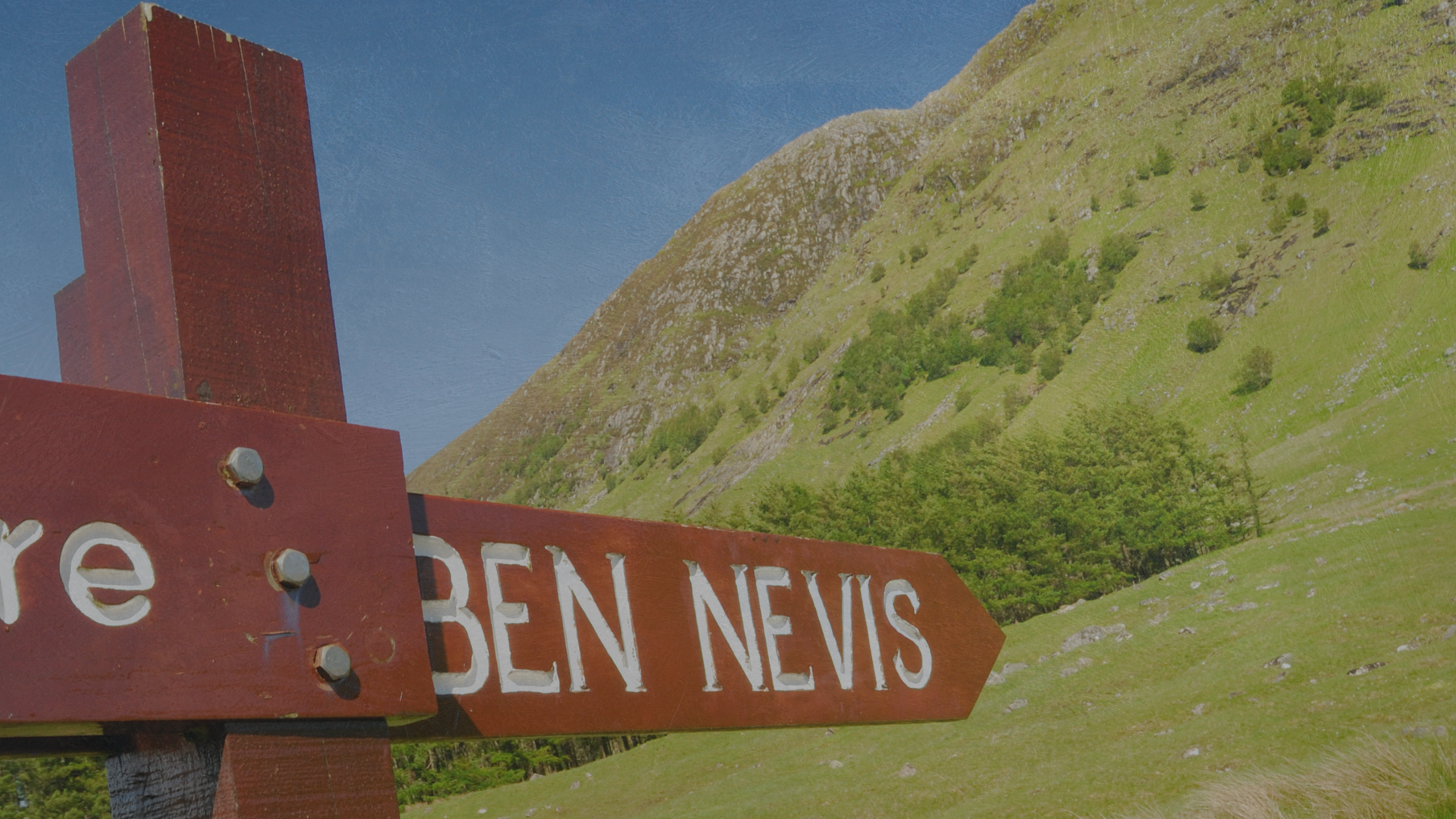
The name "Ben Nevis" is the anglicised version of the original Scottish Gaelic title, Beinn Nibheis.
There are two primary, fascinating schools of thought behind the name:
-
The Venomous Mountain: The most common translation of Nibheis is "malicious," "poisonous," or "venomous."
Early Highlanders likely chose this menacing title to respect the mountain's fiercely unpredictable weather patterns, where clear blue summer skies can twist into blinding blizzards or dense fog in a matter of minutes. -
The Heaven Bound Peak: A more poetic interpretation suggests the name evolves from beinn nèamh-bhathais.
In Gaelic, nèamh means "heavens" or "clouds," and bathais means "the top of a man's head." This translates beautifully to "the mountain with its head in the clouds"—a very accurate description, considering the summit is completely shrouded in thick mist for roughly 300 days a year.
Wear the Legend: Whether you prefer the dramatic "Venomous Mountain" vibe or the poetic "Mountain of Heaven," you can celebrate your love for the Highlands with our



2. A Fiery Past: The Ancient Collapsed Volcano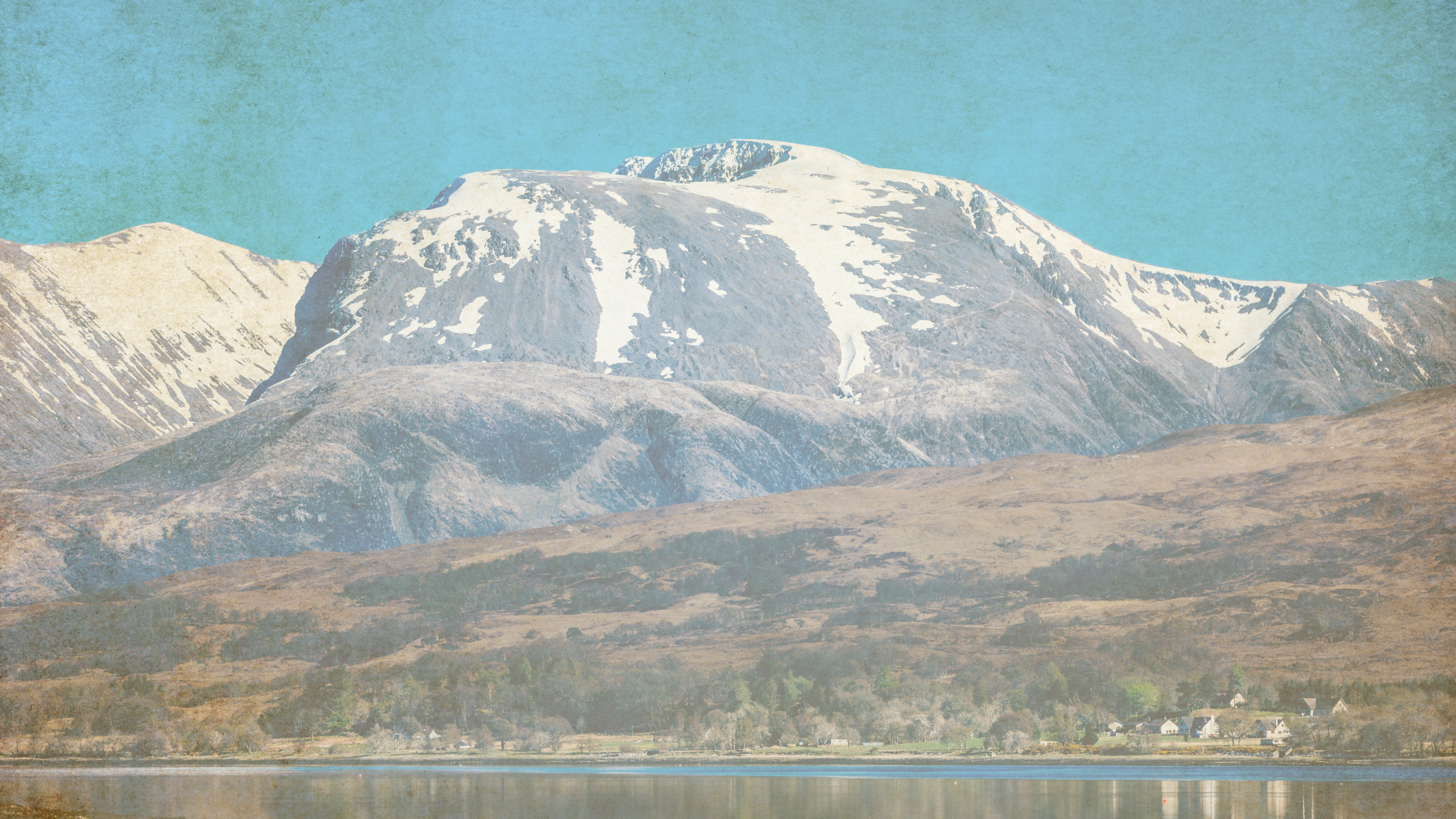
When you look at the steep, boulder-strewn western slopes or the dizzying, vertical precipices of the north face, you are looking at the aftermath of an ancient cataclysm. Ben Nevis wasn't formed by slow tectonic shifting—it is actually the scarred remnant of a massive, dormant volcano.
Around 400 million years ago, during the Caledonian mountain-building era, this region was a boiling cauldron of molten magma and explosive tectonic fury.
During a massive, world-altering eruption, the volcano literally blew its top. The weight of the remaining rock caused the entire volcanic dome to collapse inward on itself, creating a colossal inner caldera. What we climb today is the hardened, deep-set volcanic core that survived millions of winters of glacial erosion.
The dramatic North Face cliffs, which drop down nearly 600 metres (2,000 feet), are an absolute paradise for modern ice climbers and rock mountaineers, showcasing the deep, dark volcanic layers of Scotland's prehistoric past.
3. The Ghostly Ruins of the Victorian Observatory
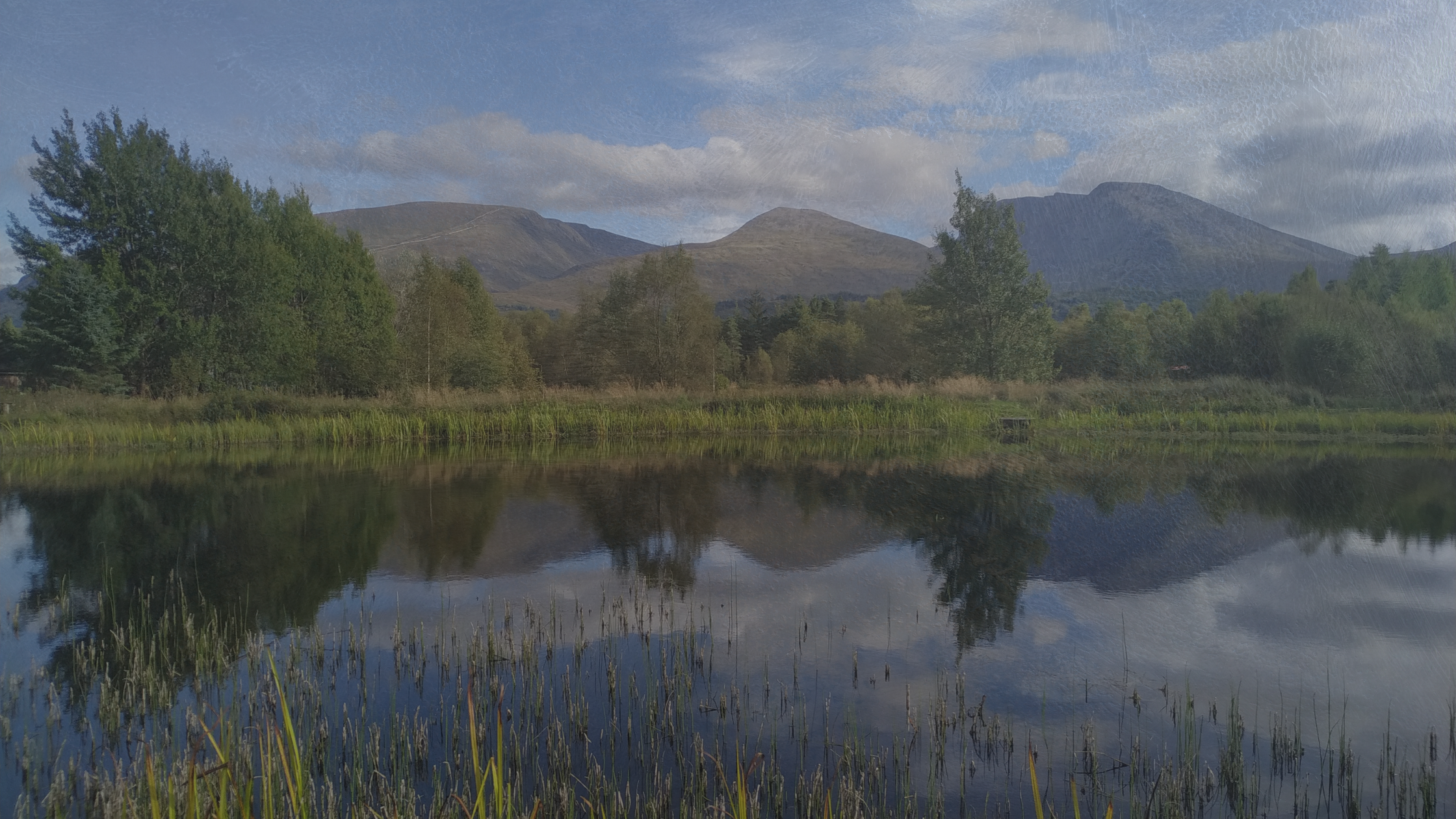
If you manage to complete the long trek up the zig-zag paths to the summit plateau, you will find yourself sharing space with a piece of atmospheric Victorian history. Sitting amidst the rocky landscape are the stone ruins of the Ben Nevis Meteorological Observatory.
Today, the highest point of the ruins features an emergency shelter tower, built to protect stranded modern hikers who find themselves caught out by sudden changes in the mountain's severe weather conditions.
4. Packing the Essentials for a Safe Mountain Adventure
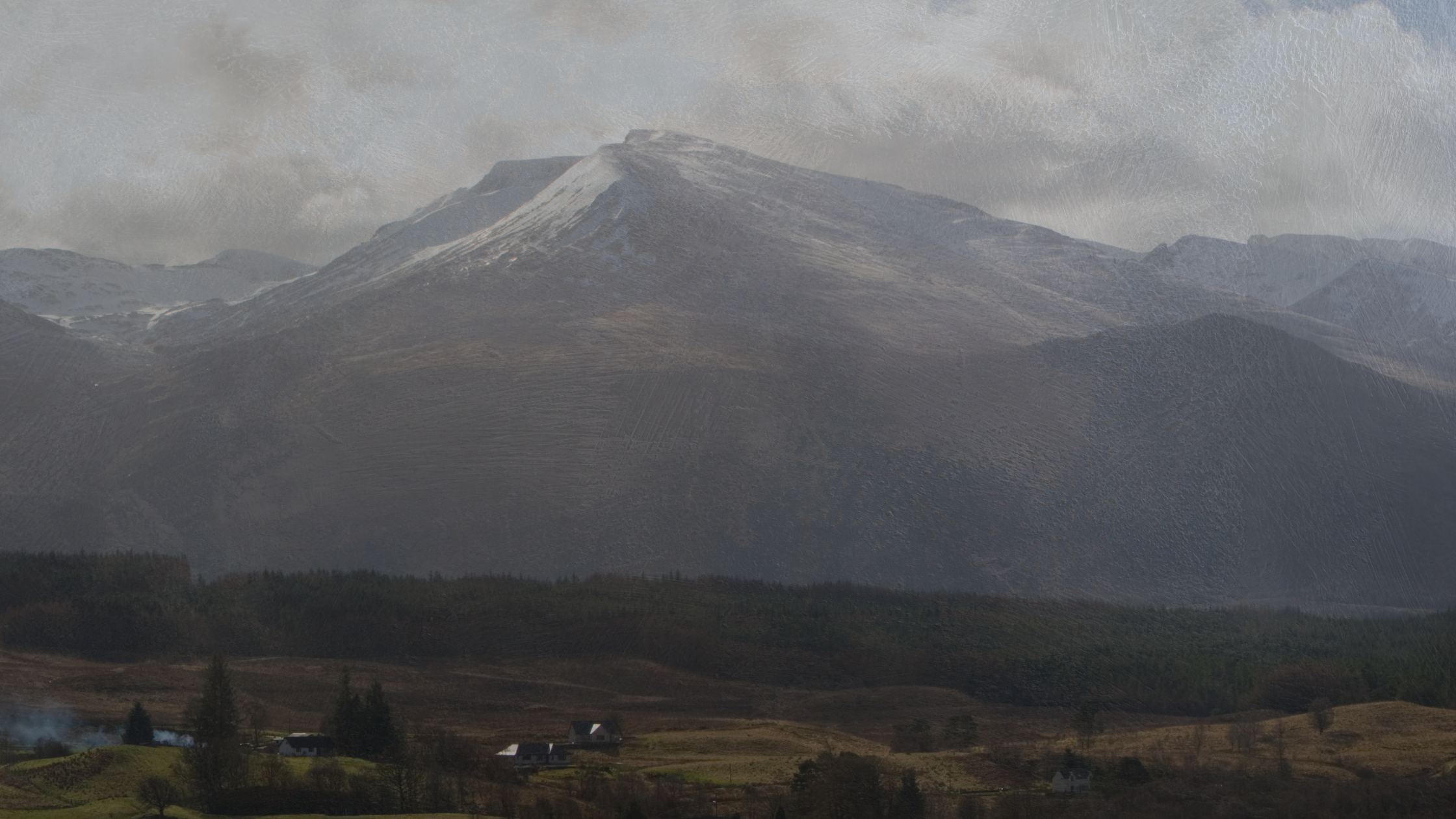
Tackling Ben Nevis via the traditional Mountain Track is a brilliant, bucket-list challenge, but it is a demanding endurance test. It is a gruelling 16-kilometre (10-mile) round trip that requires between 7 and 9 hours of continuous hiking over rough, loose stone terrain.
To ensure your journey to the roof of Britain is safe and memorable, keep these essential rules in mind:
-
Layer Up Extensively: The temperature at the sea-level visitor centre can be a comfortable 15°C, while the summit plateau is below freezing, battling gale-force winds and snow patches even in July.
-
Carry Real Navigation Tools: Do not rely entirely on the mobile phone signal or digital GPS maps. Bring a physical topographical map and a traditional compass, as the summit plateau is surrounded by lethal vertical drop-offs hidden by thick mist.
-
Hydrate and Refuel: Pack high-energy snacks and plenty of water to keep your muscles firing during the massive 1,340 metres of continuous uphill ascent.
Have you ever stood at the summit cairn of Ben Nevis, or is it still waiting patiently on your Scottish travel bucket list? Let us know your favourite hiking stories in the comments section below!
For more traditional folklore, travel inspiration, and exclusive product collections, follow Scotland Gift Shop on our official social channels:
-
Instagram: [@ScotlandGiftShop]
-
Facebook: [Scotland Gift Shop]
-
TikTok: [@ScotlandGiftShop]