
Woven in History: The Fascinating Story of Scottish Tartan
Posted by Scotland Gift Shop on 8th Oct 2026
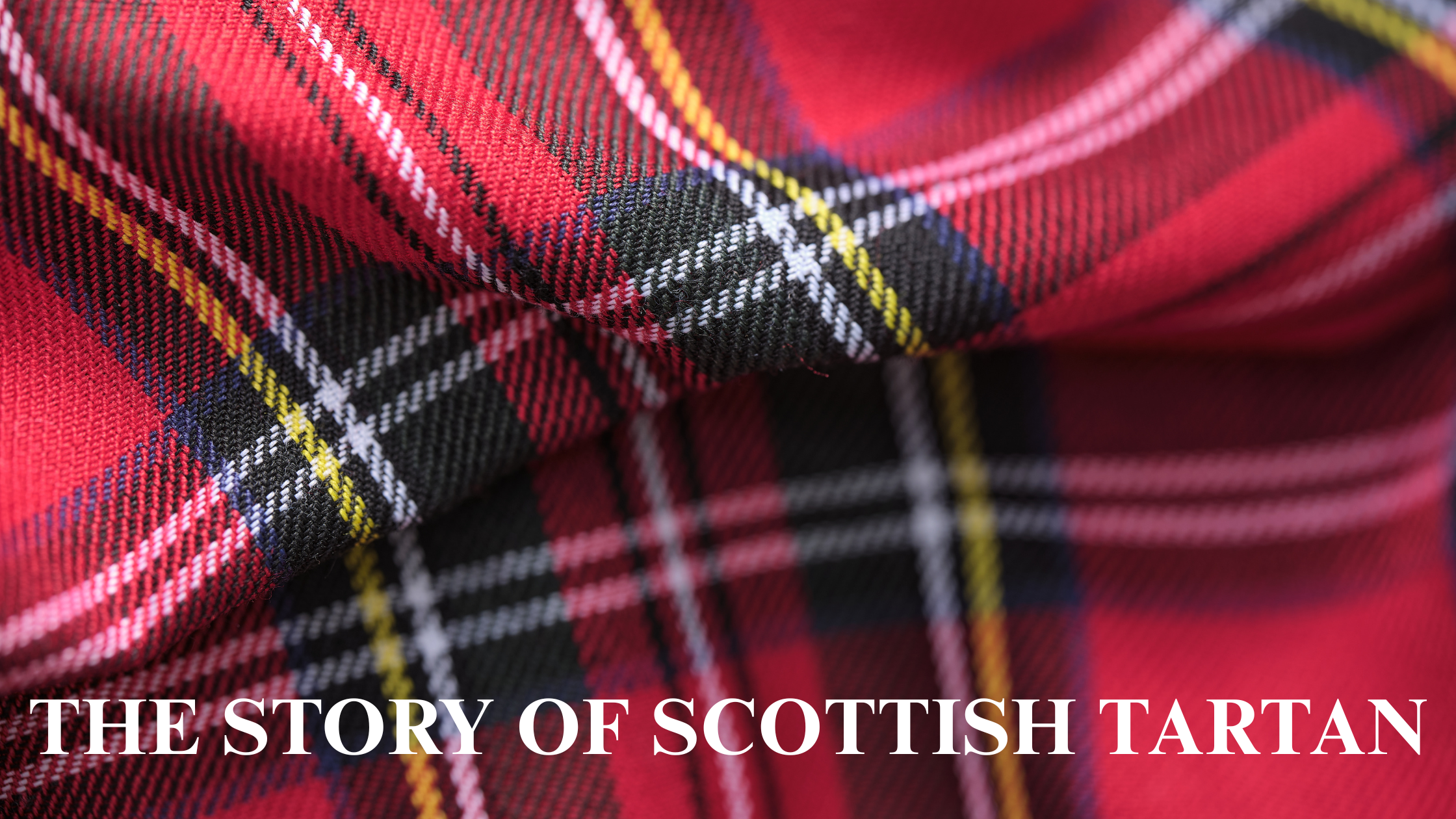
Few textiles in human history carry the emotional weight, political drama, and instant recognition of Scottish tartan. Known around the world for its criss-crossing horizontal and vertical bands of colour (sett), tartan is far more than just a criss-cross pattern on a woollen cloth. It is a symbol of Highland heritage, clan kinship, resilience, and timeless style.
From its ancient origins in the Scottish glens to the catwalks of modern fashion capitals, here is the incredible story of how tartan became the national fabric of Scotland.
Ancient Origins: Dyes from the Land
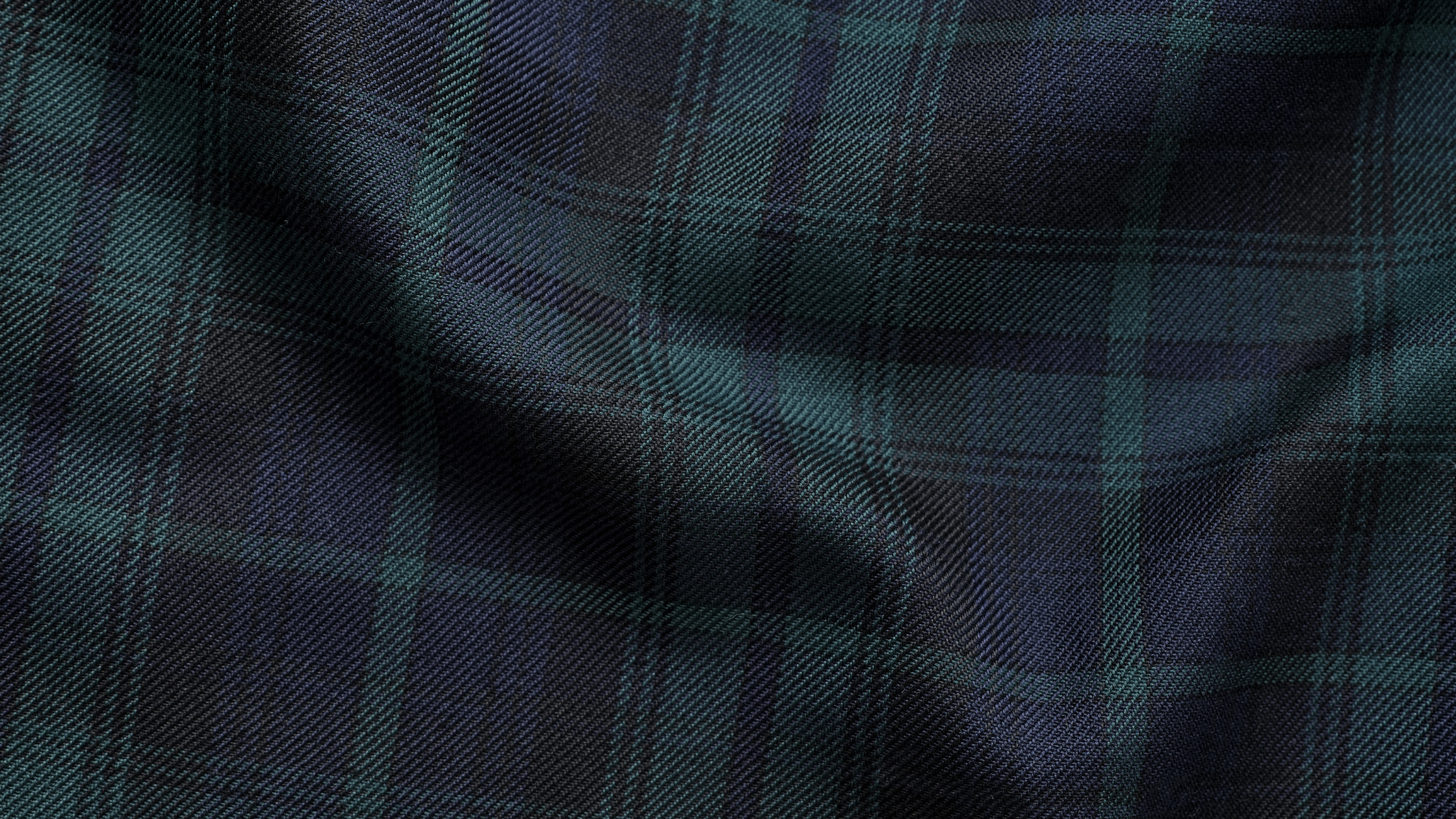
Long before tartan was tied to specific family names or Scottish clans, woven check pattern cloth was simply the daily clothing of Highland dwellers. The earliest known piece of Scottish tartan—the Falkirk Sett—dates back to the 3rd century AD (around 230 AD) and was found buried near Antonine's Wall.
In those early days, tartan patterns were district-based rather than clan-based:
-
Natural Plant Dyes: Local weavers created dyes using whatever plants, berries, roots, and lichens grew in their immediate valley or island.
-
Regional Colours: A weaver in Skye might produce soft blues, greens, and greys using bog myrtle and seaweeds, while a weaver in Perthshire might produce rich purples and reds using heather and madder root.
-
District Identity: People living in the same glen naturally wore similar colours because they relied on the same local dye master and loom weaver.
The Act of Proscription (1746): When Tartan Was Outlawed
The story of tartan took a dramatic, dark turn following the tragic Battle of Culloden in 1746, when the Jacobite rising led by Bonnie Prince Charlie was defeated by the British Crown forces.
To dismantle Highland culture and break the power of the clan system, the British government passed the Dress Act of 1746 (part of the Act of Proscription).
"No Man or Boy within that part of Great Britain called Scotland... shall on any Pretence whatsoever, wear or put on the Clothes commonly called Highland Clothes (that is to say) the Plaid, Philabeg, or little Kilt, Trews, Shoulder Belts..."
Wearing tartan became an illegal criminal offence punishable by six months in prison for a first offence, or transportation to overseas plantations for seven years for a second offence. For nearly 36 years, tartan was effectively banned in Scotland, surviving only in military uniforms for government-run Highland regiments like the Black Watch.
The Romantic Revival: Sir Walter Scott & Royal Visits
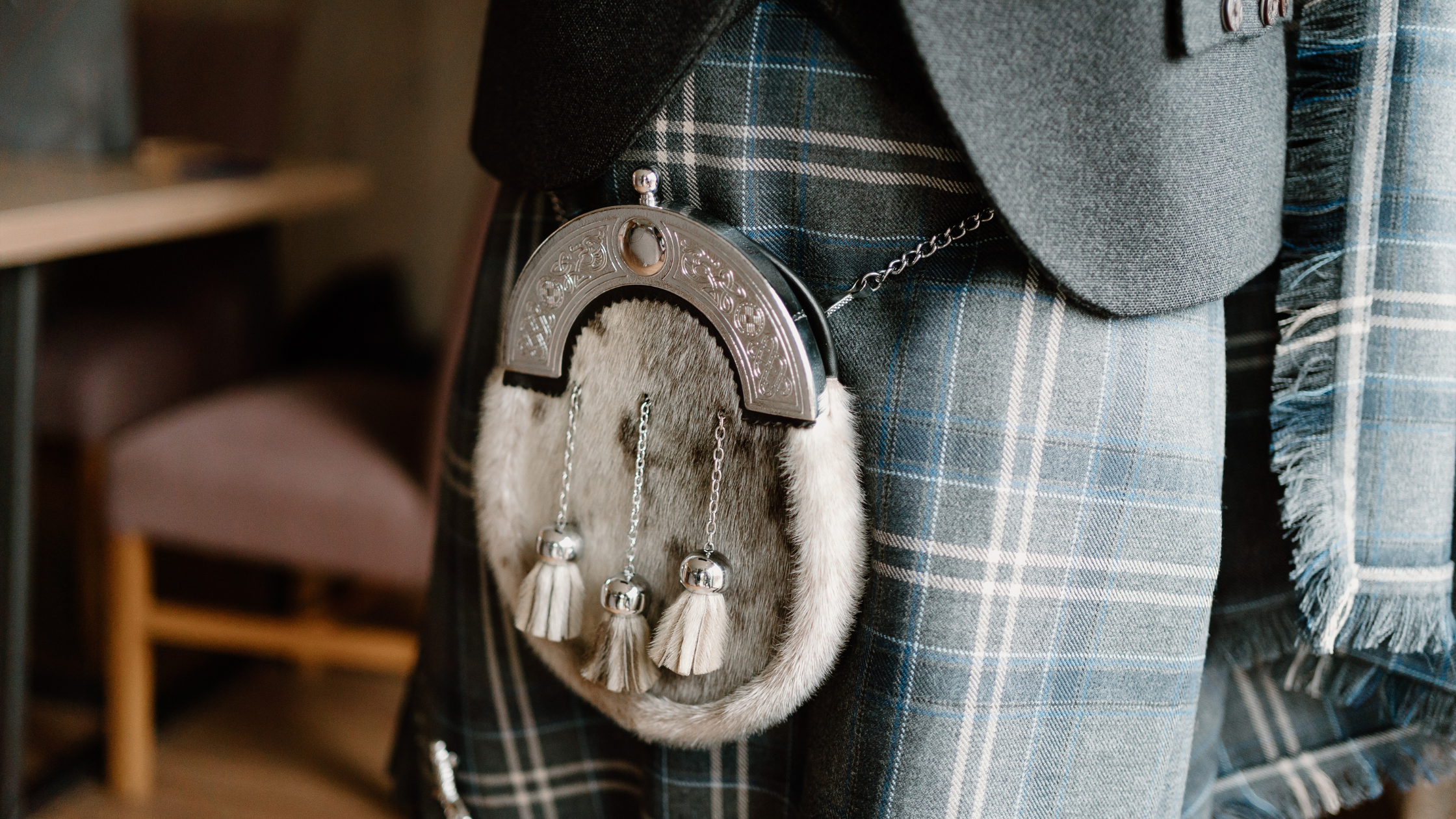
When the Dress Act was repealed in 1782, an entire generation had grown up without wearing tartan daily. The stage was set for a massive cultural comeback.
The turning point came in 1822, when King George IV visited Edinburgh—the first visit by a reigning monarch to Scotland in over 170 years. Famous Scottish novelist Sir Walter Scott organised the event, urging every clan chief to attend dressed in their distinct clan tartan.
-
Assigning Clan Patterns: Commercial weavers like William Wilson & Sons of Bannockburn began cataloguing, numbering, and assigning specific tartan patterns to individual Highland clans and families.
-
Royal Seal of Approval: King George IV himself appeared in full, lavish Highland dress wearing the Royal Stewart tartan, starting a fashion frenzy that swept Victorian Britain.
-
Queen Victoria's Love Affair: Later in the 19th century, Queen Victoria and Prince Albert fell in love with the Scottish Highlands, decorating Balmoral Castle in custom tartans (including the famous Balmoral Tartan designed by Prince Albert himself).
Tartan Today: From Highland Pride to Global Icon
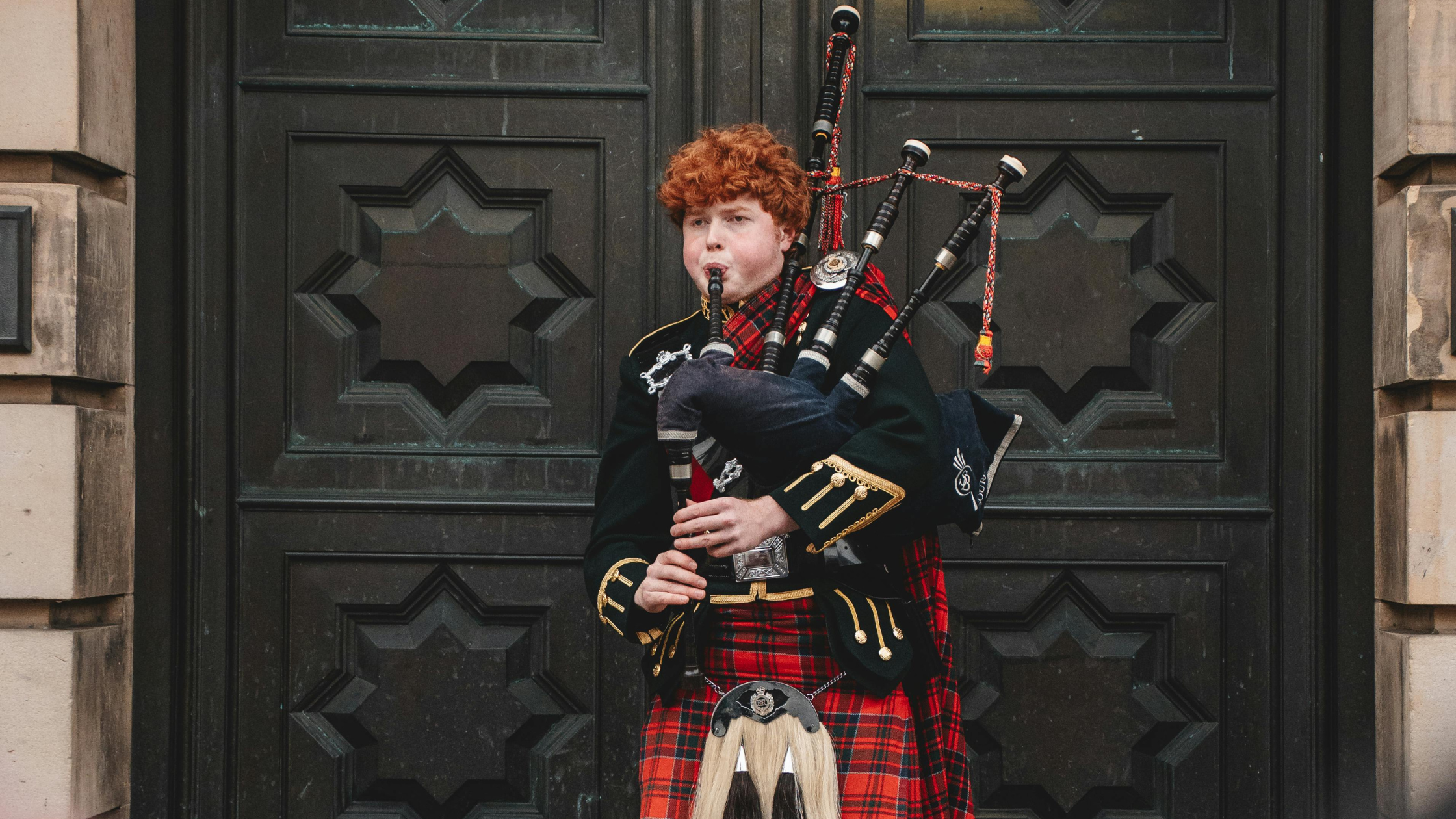
Today, tartan is regulated by the official Scottish Register of Tartans, an online government repository in Edinburgh housing thousands of officially registered patterns.
Tartan is no longer restricted to traditional clans—there are registered tartans for football clubs, universities, countries, corporations, and historic celebrations. It has also left an indelible mark on global fashion:
-
Punk Rock Rebel: In the 1970s, punk fashion icons like Vivienne Westwood transformed tartan from a symbol of royal tradition into a symbol of rebellion and subversion.
-
Modern Luxury: High-fashion houses from Alexander McQueen to Burberry feature tartan patterns season after season on international runways.
-
Formal Scottish Celebrations: From weddings and ceilidhs to Burns Night suppers and Highland Games, wearing your family or regional tartan remains the ultimate badge of pride.
Wear Your Heritage with Scotland Gift Shop
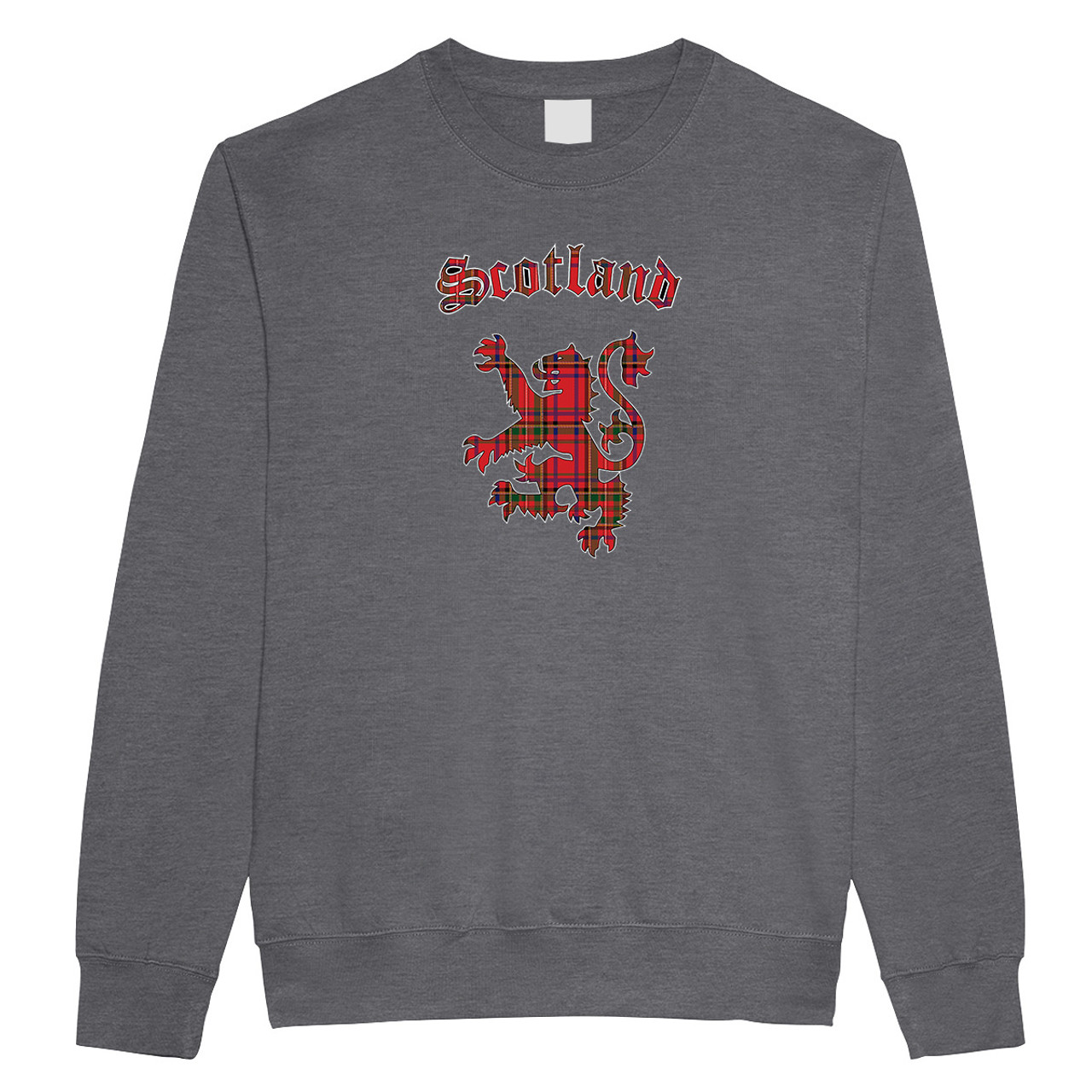
Whether you have ancestral Scottish roots or simply adore classic Highland style, there is a tartan pattern out there for you! Here at Scotland Gift Shop, we offer numerous different Tartan products; check out some of our personal favourites below, especially suitable for the Autumn weather too!


You can also connect with us on social media for daily Scottish excitement:
-
Instagram:
@ScotlandGiftShop -
Facebook:
Scotland Gift Shop -
TikTok:
@ScotlandGiftShop