
The Story of Loch Ness: Myth, Mystery, and Magic in the Scottish Highlands
Posted by Scotland Gift Shop on 23rd Jul 2026
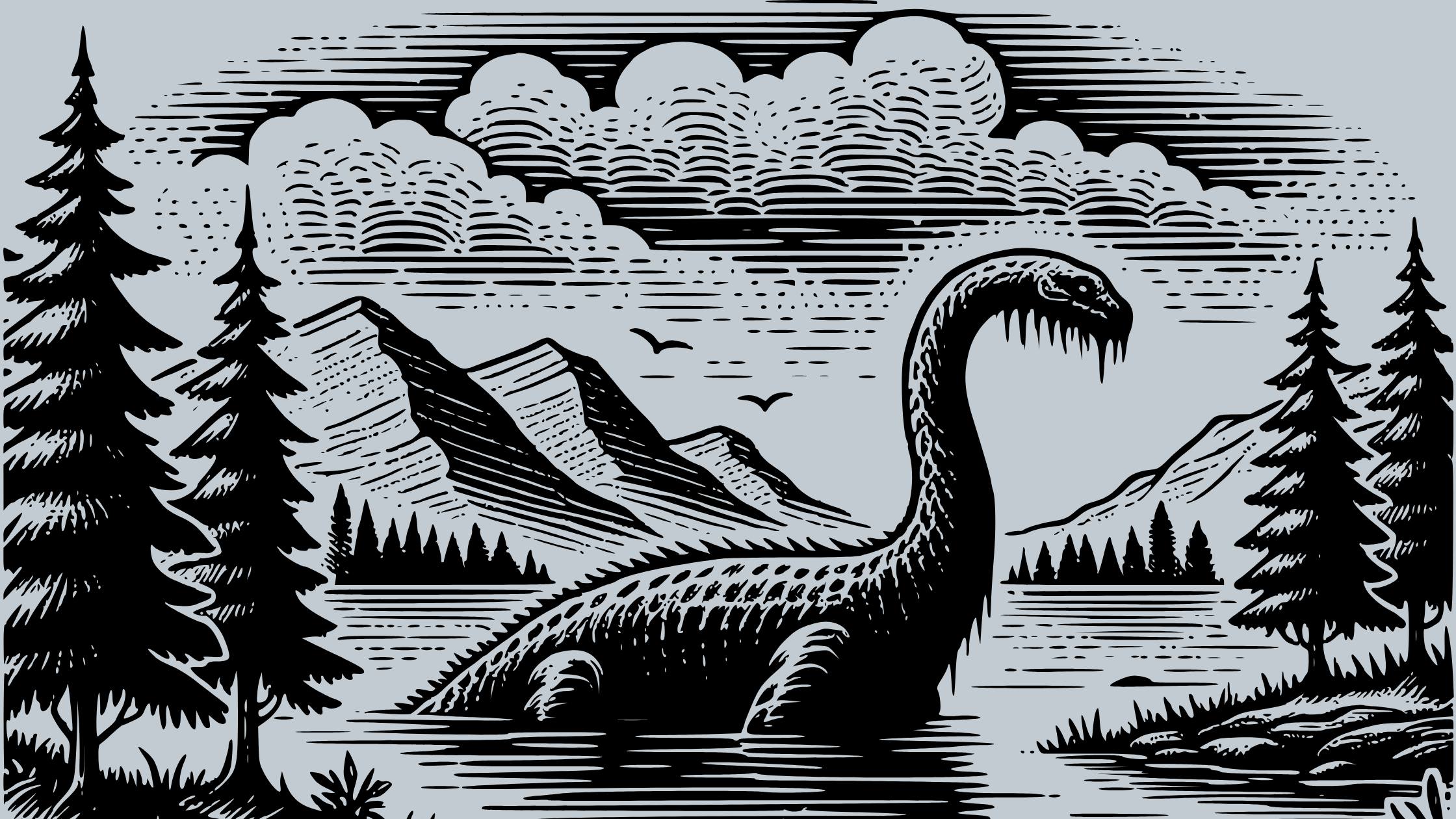
With its deep, ink-black waters cutting a dramatic line through the rugged heart of the Great Glen, Loch Ness is far more than just a body of water. It is a place where Scotland’s ancient geology meets centuries of whispered legends, thrilling scientific expeditions, and, of course, the world’s most famous resident: Nessie.
Whether you are mapping out a road trip to the Scottish Highlands or hoping to catch a glimpse of something breaking the water's surface, the story of Loch Ness is a fascinating journey. It seamlessly blends ancient history, modern-day mystery, and the breathtaking beauty of the wild Scottish landscape.
Here are the 4 chapters that make up the legendary story of Loch Ness.
1. The Ancient Origins: How Nature Carved a Giant
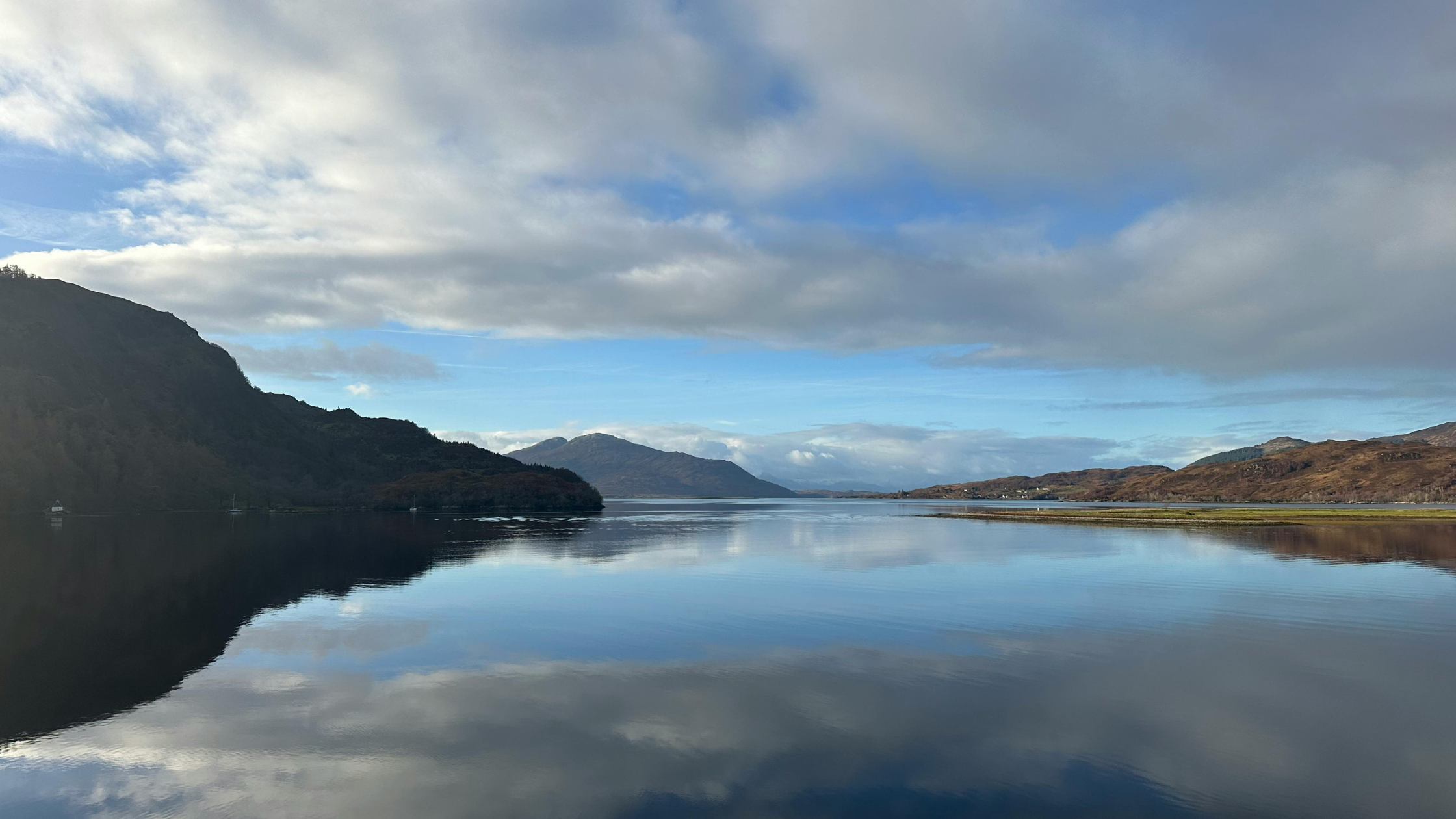
Before the myth, there was the landscape itself. Loch Ness was carved out during the last Ice Age by massive glaciers tearing through a dramatic geological fault line known as the Great Glen. The result is a body of water that defies normal proportions.
-
The Vibe: Standing on the shore, you immediately feel the sheer scale of the loch. It contains more fresh water than all the lakes in England and Wales combined.
-
Don't Miss: The incredible depth of the water. Dropping down to an astonishing 230 metres (755 feet) at its deepest point, it’s so deep that the entire population of the planet could fit inside it three times over.
-
Insider Tip: Because of the high peat content in the surrounding hills, the water of Loch Ness is almost completely pitch-black. Visibility underwater is near zero, which is exactly why it’s so easy to believe a prehistoric giant could be hiding down there! Check out our wide range of Nessie and Loch Ness merchandise throughout this blog!



2. The Legend Begins: St Columba’s Seventh-Century Encounter
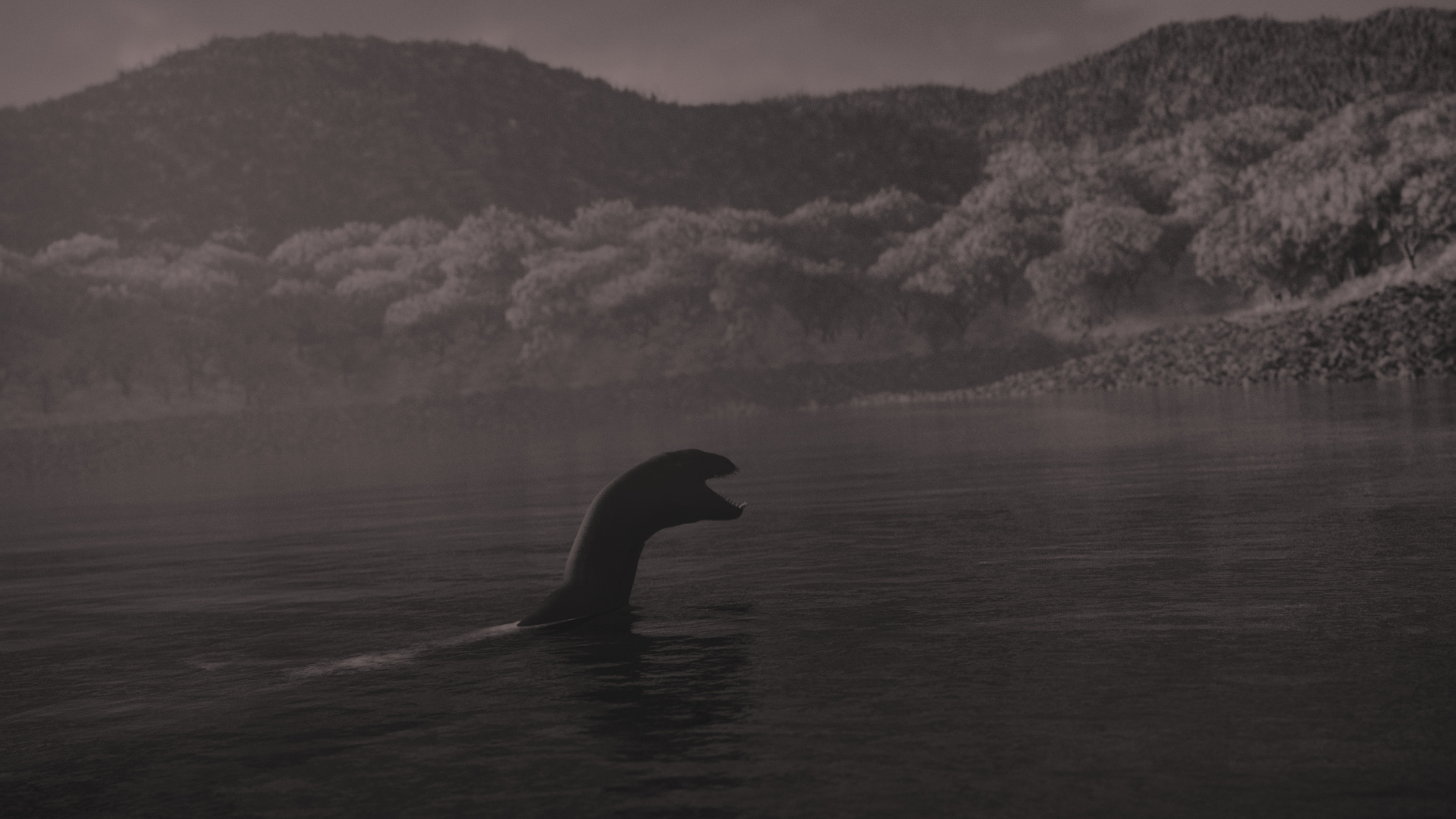
The story of a monster living in the loch isn't a modern invention. The very first recorded sighting dates all the way back to 565 AD, involving the famous Irish monk, St Columba.
-
The Legend: According to ancient texts, Columba was travelling through the Highlands when he came across locals burying a man who had been dragged under by a "water beast." Columba sent one of his companions to swim across the river to test the waters. When the beast lunged, Columba made the sign of the cross and commanded: "Go no further. Touch not the man." The creature reportedly retreated into the depths.
-
The History: This dramatic encounter was recorded by Abbot Adomnán in his Life of Saint Columba, a century later, laying the very first cornerstone of the Nessie legend.
-
Insider Tip: If you want to walk in the footsteps of the ancient monks and clans, a visit to the iconic Urquhart Castle on the loch's edge is a must. It offers the most spectacular panoramic views of the water.



3. The 1930s Media Boom: The Birth of "Nessie"
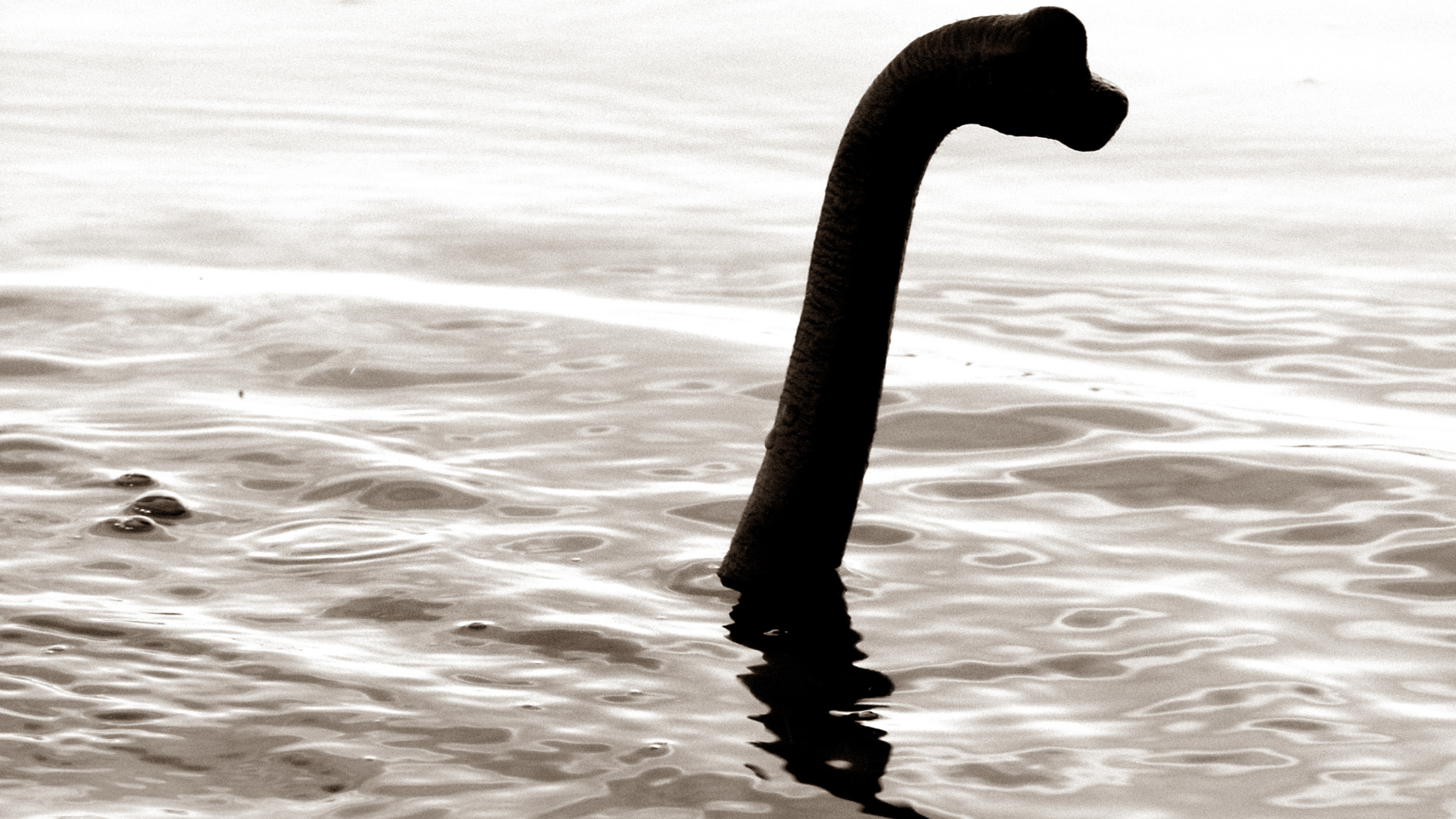
For centuries, the monster remained a local Highland tale. That all changed in 1933 when a new road was built along the northern shore of the loch, opening up the area to modern travellers and journalists.
-
The Spark: In April 1933, a local couple, Aldie and John Mackay, reported seeing an enormous creature rolling and plunging in the water. Soon after, the Inverness Courier published the story, using the word "monster" for the first time.
-
The Craze: Later that year, the famous "Surgeon's Photograph" was published in the Daily Mail, showing a slender neck rising from the water. Even though it was later revealed to be a clever hoax using a toy submarine and wood putty, the image captured the world's imagination.
-
Don't Miss: A visit to the Loch Ness Centre in Drumnadrochit. It houses an immersive exhibition detailing the history of these early sightings and the high-tech sonar searches that followed.



4. The Modern Hunts: Science vs. Speculation
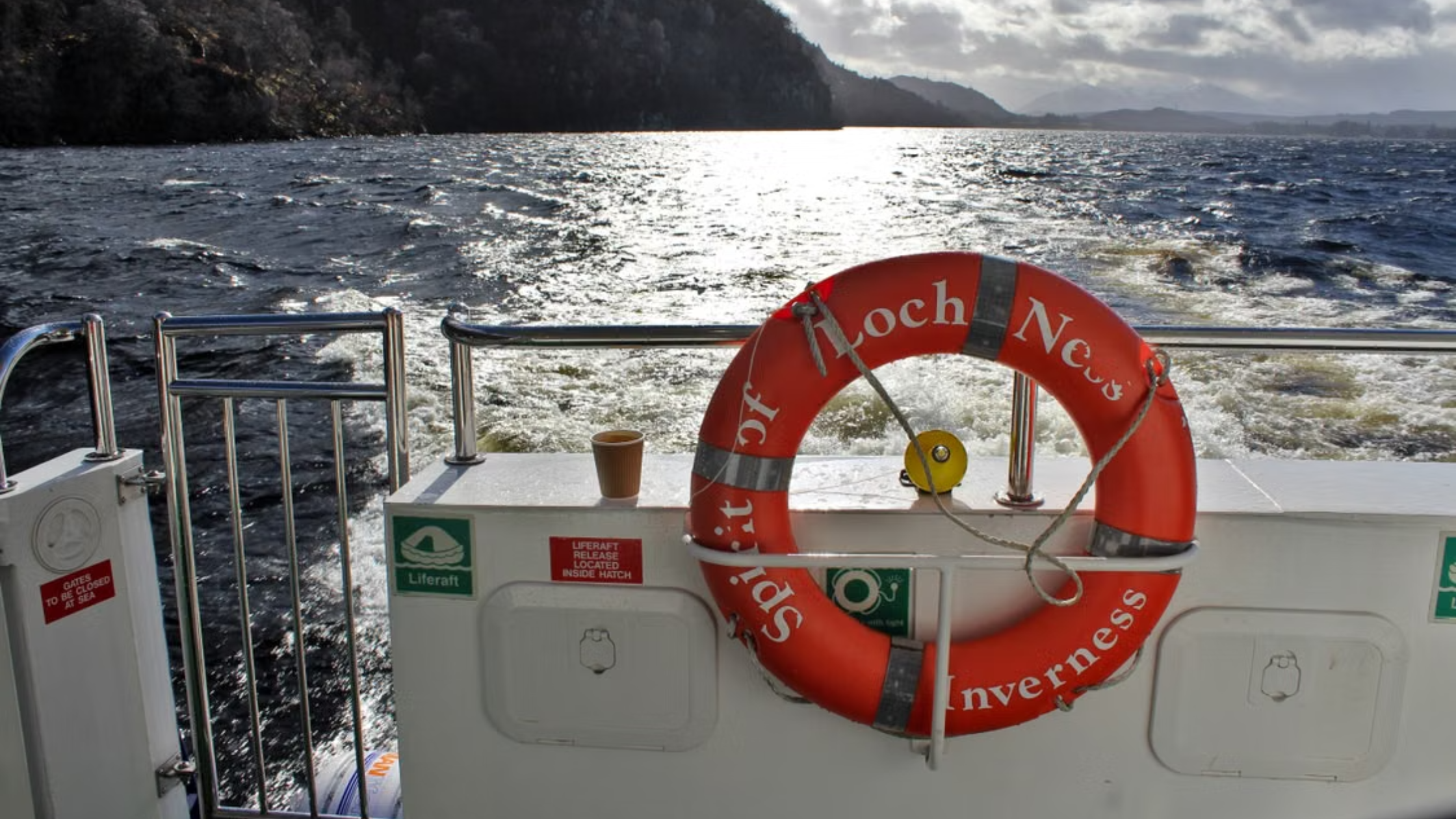
In the decades since the 1930s, the hunt for Nessie has gone high-tech. Millions of pounds have been spent on state-of-the-art expeditions utilising sonar, satellite tracking, and even DNA testing.
-
The Science: In 2018, an international team of scientists conducted a massive Environmental DNA (eDNA) survey of the loch. They filtered water samples to find traces of skin, scales, and waste left behind by living creatures.
-
The Verdict: The study ruled out dinosaurs (like the popular plesiosaur theory) and giant sturgeon. However, they found a massive amount of eel DNA. While not a definitive "monster" proof, it left open the possibility of giant eels living in the deep.
-
Insider Tip: Keep your eyes peeled and your camera ready at all times, especially on calm, overcast mornings. Many of the most convincing modern sightings are just simple wakes or logs tricking the eye in the misty Highland light!
Did You Know? Loch Ness never freezes. Because of its immense volume of water, it acts as a massive heat reservoir, keeping the loch's water temperature at a steady 5°C (41°F) all year round, even in the depths of a bitter Highland winter.



For more traditional folklore, travel inspiration, and exclusive product collections, follow Scotland Gift Shop on our official social channels:
-
Instagram: [@ScotlandGiftShop]
-
Facebook: [Scotland Gift Shop]
-
TikTok: [@ScotlandGiftShop]