
The Story of Scottish Whisky: How the "Water of Life" Conquered the World
Posted by Scotland Gift Shop on 20th Aug 2026
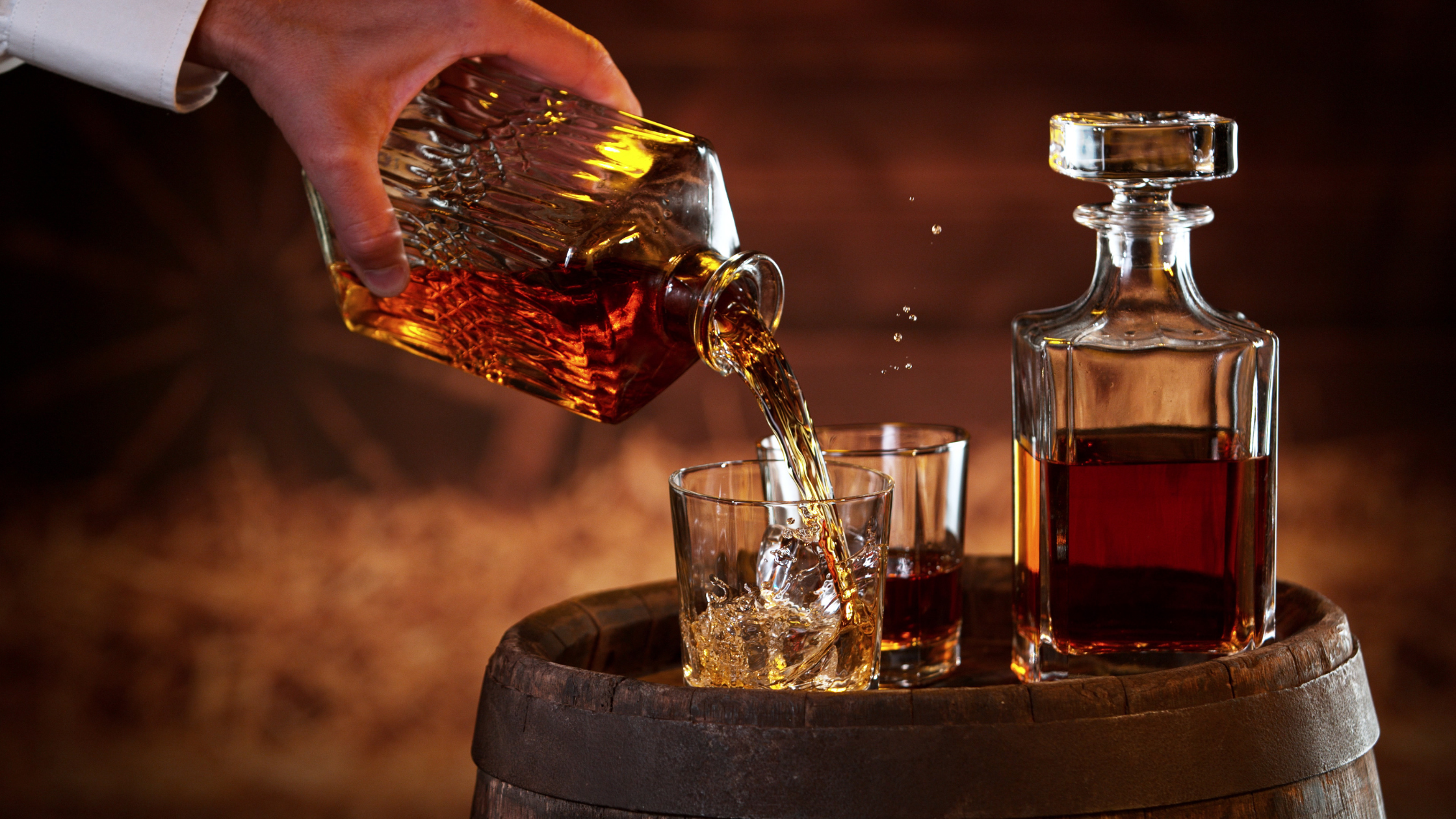
Whether enjoyed as a quiet dram by a roaring fireplace or raised in a hearty toast at a ceilidh, whisky is far more than just Scotland's national drink—it is liquid history. Deeply interwoven with the nation's culture, landscape, and economy, Scotch whisky has travelled from small farmyard stills in the Highlands to the shelves of top bars across the globe.
Step into the fascinating story of Scotch whisky: its ancient origins, dark smuggling past, and how it evolved into Scotland's ultimate gift to the world.
1. Ancient Beginnings: "Uisge Beatha"
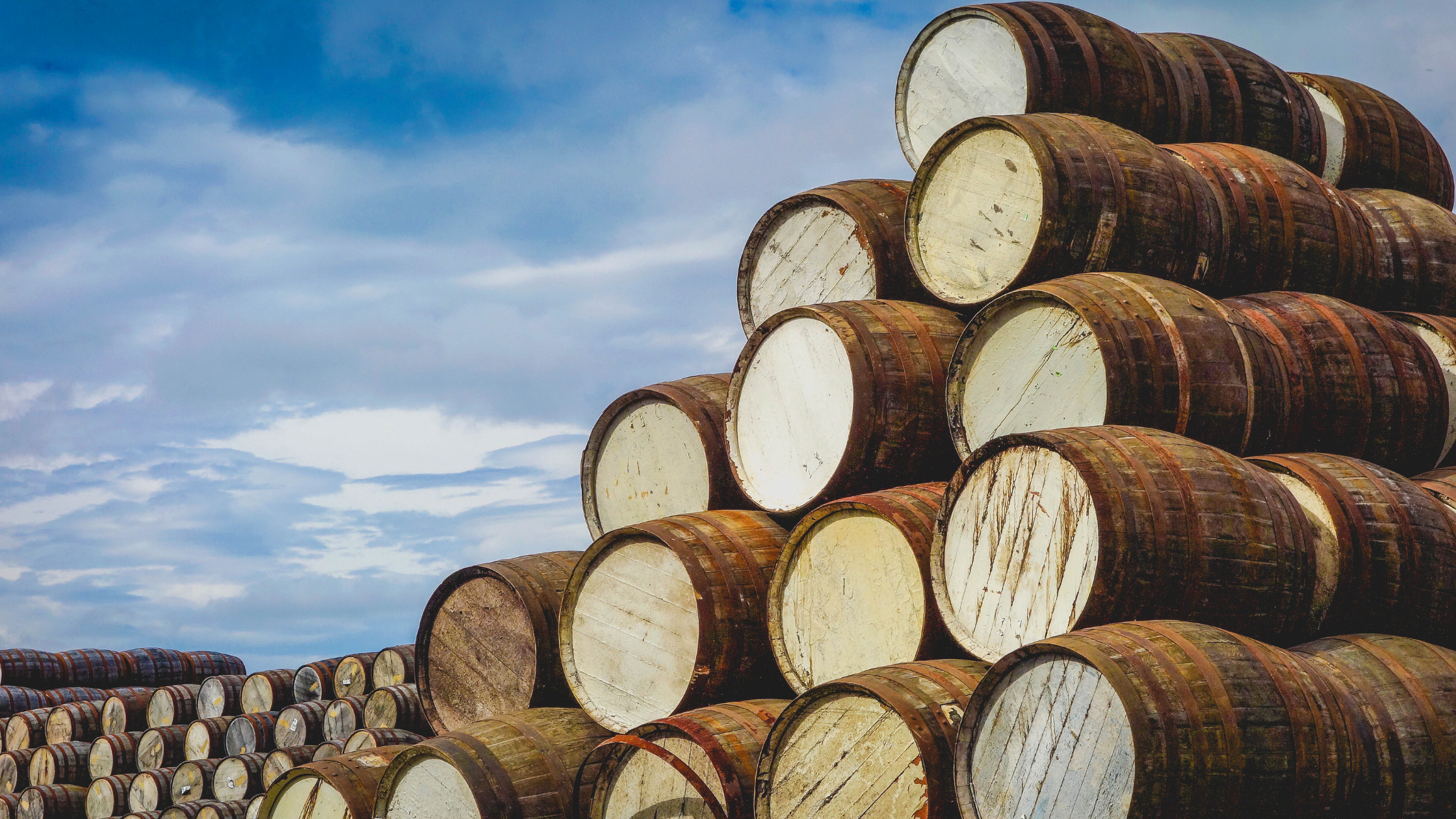
The origin story of Scottish whisky begins nearly a thousand years ago. Missionary monks brought the art of distillation to the British Isles, using barley to create a potent spirit known in Scottish Gaelic as "Uisge Beatha" (pronounced oosh-ka bah-hah), meaning "Water of Life."
-
The First Record: The earliest official written record of whisky distillation in Scotland dates back to the Exchequer Rolls of 1494. It logs a royal order from King James IV granting Friar John Cor of Lindores Abbey enough malted barley to make "eight bolls of aqua vitae."
-
Medicinal Origins: In these early days, the spirit was unaged, clear, and fiery! It was primarily used as medicine—thought to cure everything from joint pain to colds—before evolving into a popular social drink.



2. The Smuggling Era: Moonshine in the Glens
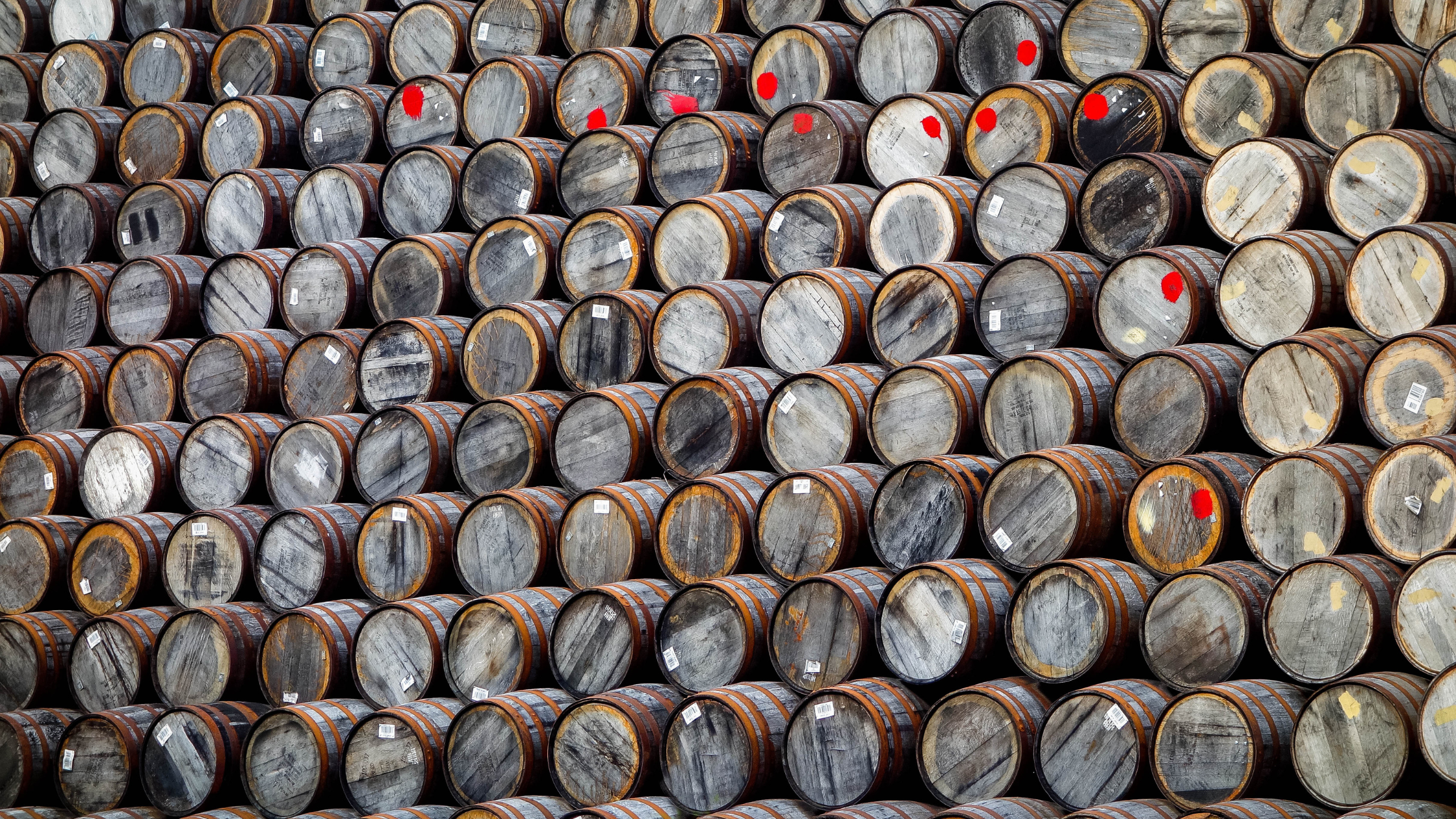
As whisky grew in popularity, the British Government saw a lucrative opportunity and introduced heavy taxes on distillation in the 17th and 18th centuries. Instead of curbing production, it drove the industry underground into a high-stakes game of cat and mouse!
-
The Illicit Stills: Local farmers and Highland illicit distillers hid small copper stills in remote glens, caves, and mountain gullies away from the watchful eyes of the "Gaugers" (tax collectors).
-
Highland Quality: Despite being illegal, Highland moonshine gained a reputation for being far superior to the heavily taxed, mass-produced spirits made in lowland urban centres. Even King George IV requested a dram of illicit Glenlivet whisky during his famous royal visit to Edinburgh in 1822!
3. The Excise Act & The Birth of Modern Scotch
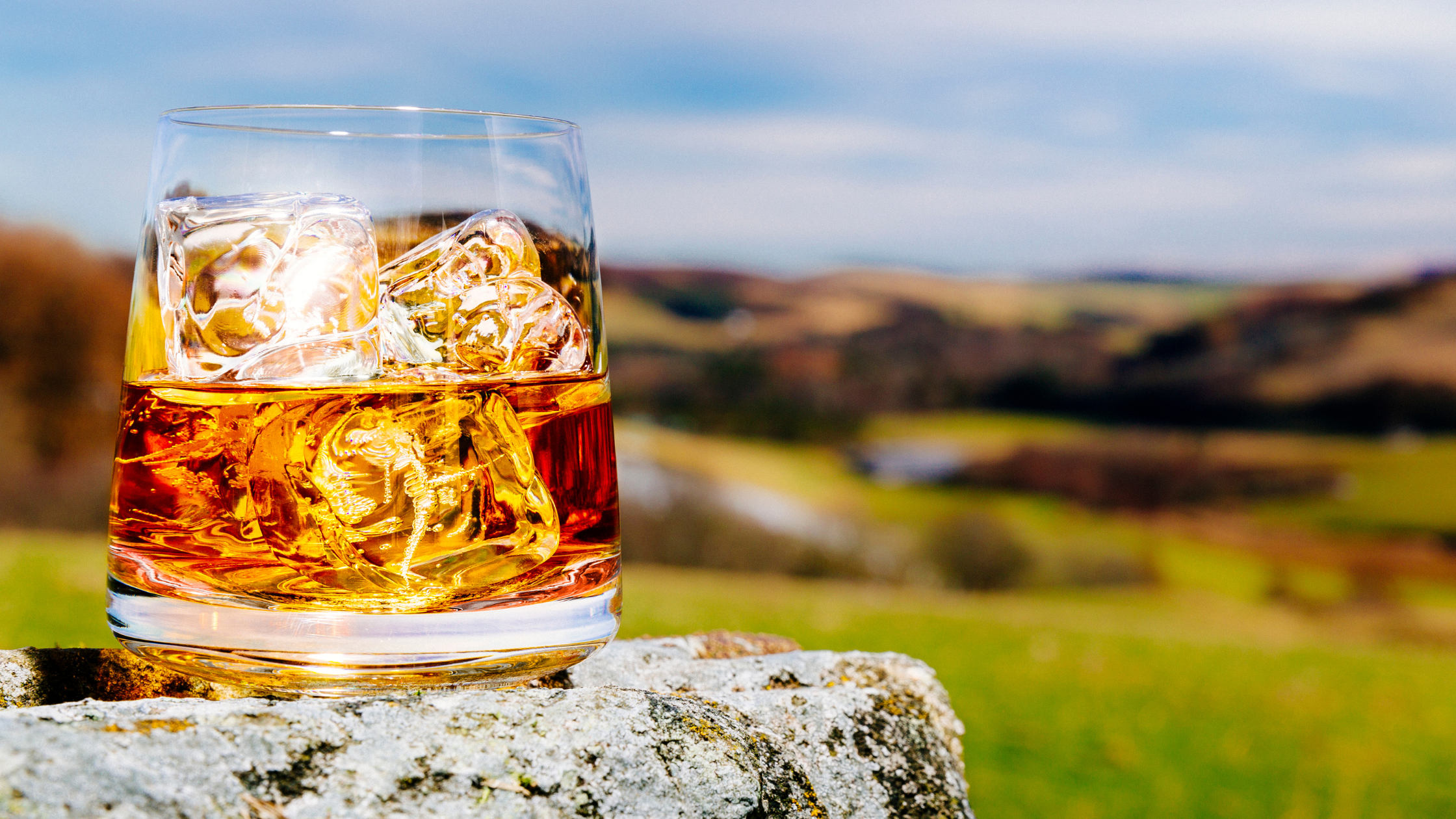
The turning point for the industry came with the Excise Act of 1823. The government lowered taxes and made it financially viable for illicit distillers to purchase a license and go legal.
Over the next few decades, pioneering figures like George Smith (founder of The Glenlivet) established official distilleries. Shortly after, the invention of the continuous column still allowed for the creation of smoother, lighter grain whisky. When blended with flavorful single malts, Blended Scotch Whisky was born—taking the world by storm.

4. Maturation: The Magic of the Wooden Cask
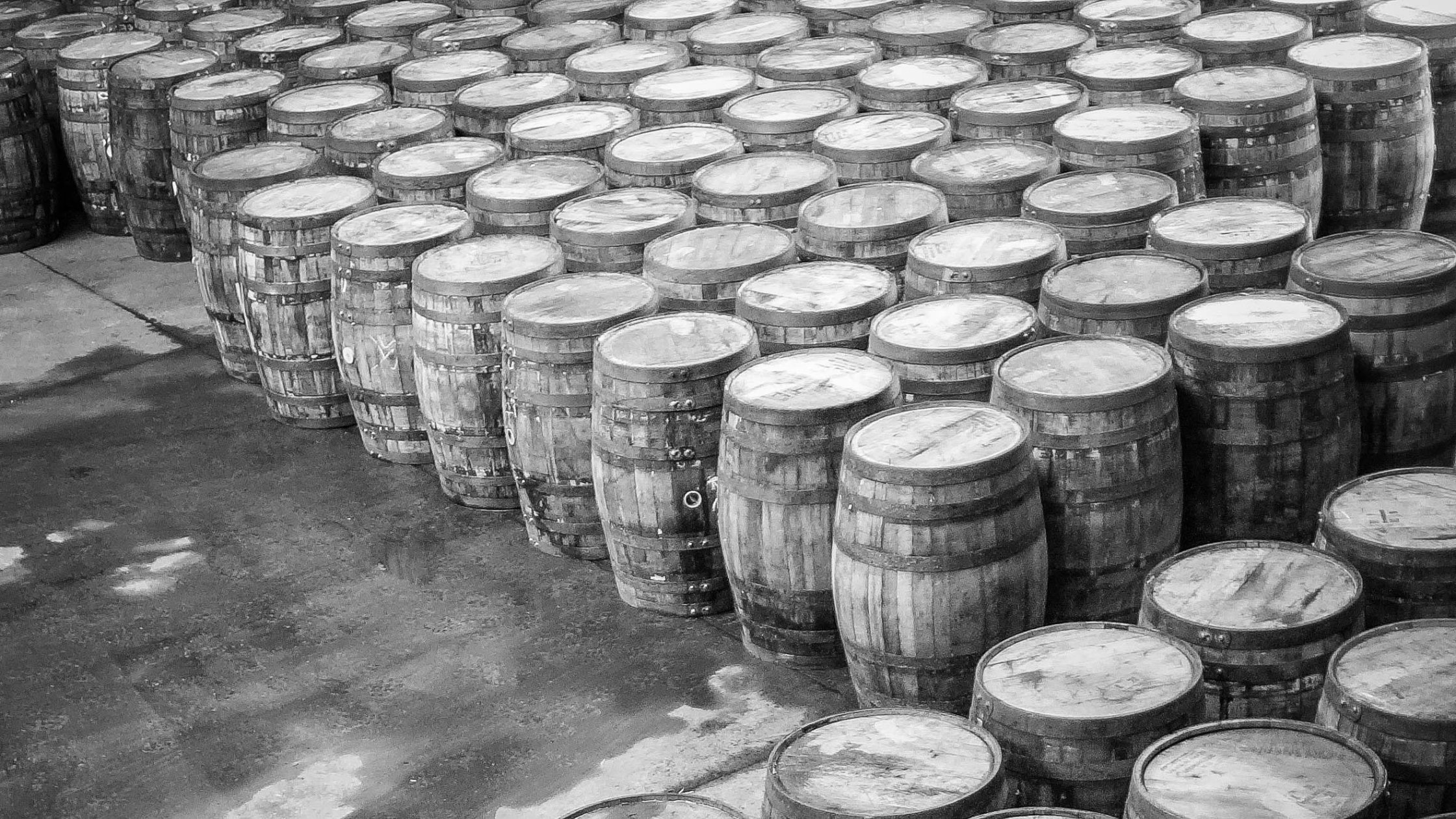
By strict Scottish law, a spirit cannot be called "Scotch Whisky" unless it meets three essential rules:
-
It must be distilled in Scotland from water, malted barley, and whole cereal grains.
-
It must be aged in oak casks in Scotland for a minimum of three years.
-
It must be bottled at a minimum strength of 40% ABV.
During those years in the barrel, the clear spirit interacts with the wood, absorbing rich golden colours and developing complex flavours ranging from vanilla and oak to dried fruit, honey, and peat smoke.
5. The 5 Whisky Regions: A Taste of the Landscape

Just like wine has terroir, Scotch whisky absorbs the character of the environment where it is crafted. Scotland is divided into five distinct whisky-producing regions:
| Region | Flavour Profile | Famous Characteristics |
| Speyside | Sweet, fruity, elegant | Home to over half of Scotland's distilleries; notes of apple, honey, and oak |
| Highlands | Diverse, robust, heather honey | Ranging from light and floral in the north to rich and coastal in the west |
| Islay | Bold, heavily peated, smoky | Maritime salinity, medicinal notes, and intense campfire smoke |
| Lowlands | Light, grassy, citrusy | Traditionally triple-distilled, gentle, and delicate |
| Campbeltown | Briny, oily, slightly smoky | Historic whisky capital with rich maritime character |

Celebrating Scottish Heritage: Whether you are a fan of Scotch or simply someone who loves Edinburgh, Glasgow, Inverness, Ayr or anywhere else in our wonderful country, check out our wide range of Scottish merchandise and gifts at the Scotland Gift Shop!
For more traditional folklore, travel inspiration, and exclusive product collections, follow Scotland Gift Shop on our official social channels:
-
Instagram: [@ScotlandGiftShop]
-
Facebook: [Scotland Gift Shop]
-
TikTok: [@ScotlandGiftShop]