
What Does the Lion Rampant Represent? The Story Behind Scotland’s Royal Flag
Posted by Scotland Gift Shop on 29th Sep 2026
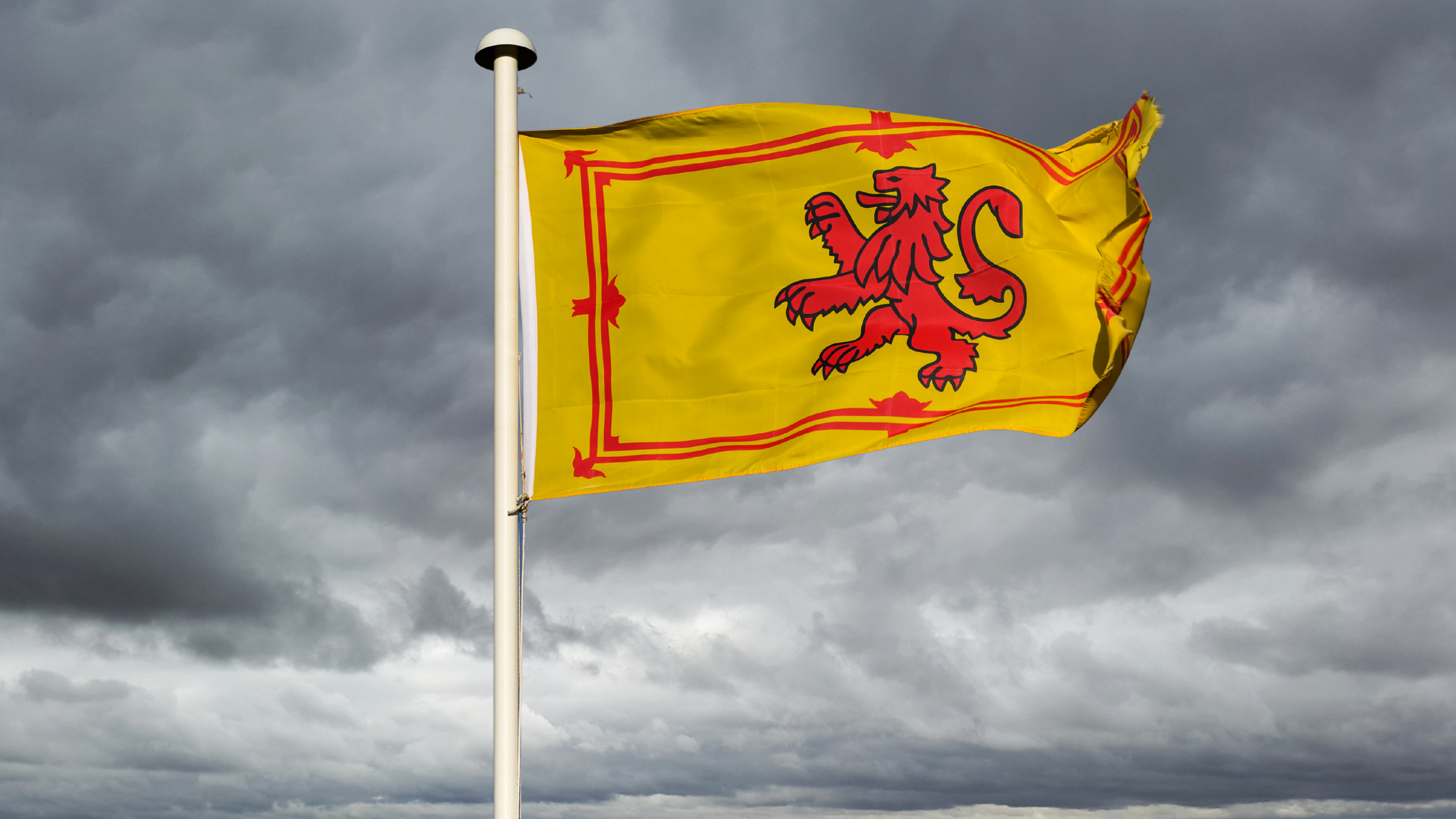
If you have ever travelled through Scotland or watched a Scottish sporting event, you have undoubtedly seen the striking red lion rearing up on its hind legs against a vibrant yellow-gold background. Known around the world as the Lion Rampant, this iconic emblem is one of Scotland's most recognisable symbols.
While the blue-and-white Saltire serves as Scotland's official national flag, the Lion Rampant holds a unique place in Scottish heritage. But where did this fierce creature come from, and what does it actually represent? Here is the history, symbolism, and royal tradition behind the Lion Rampant.
1. A Royal Symbol of Strength, Courage, and Royalty
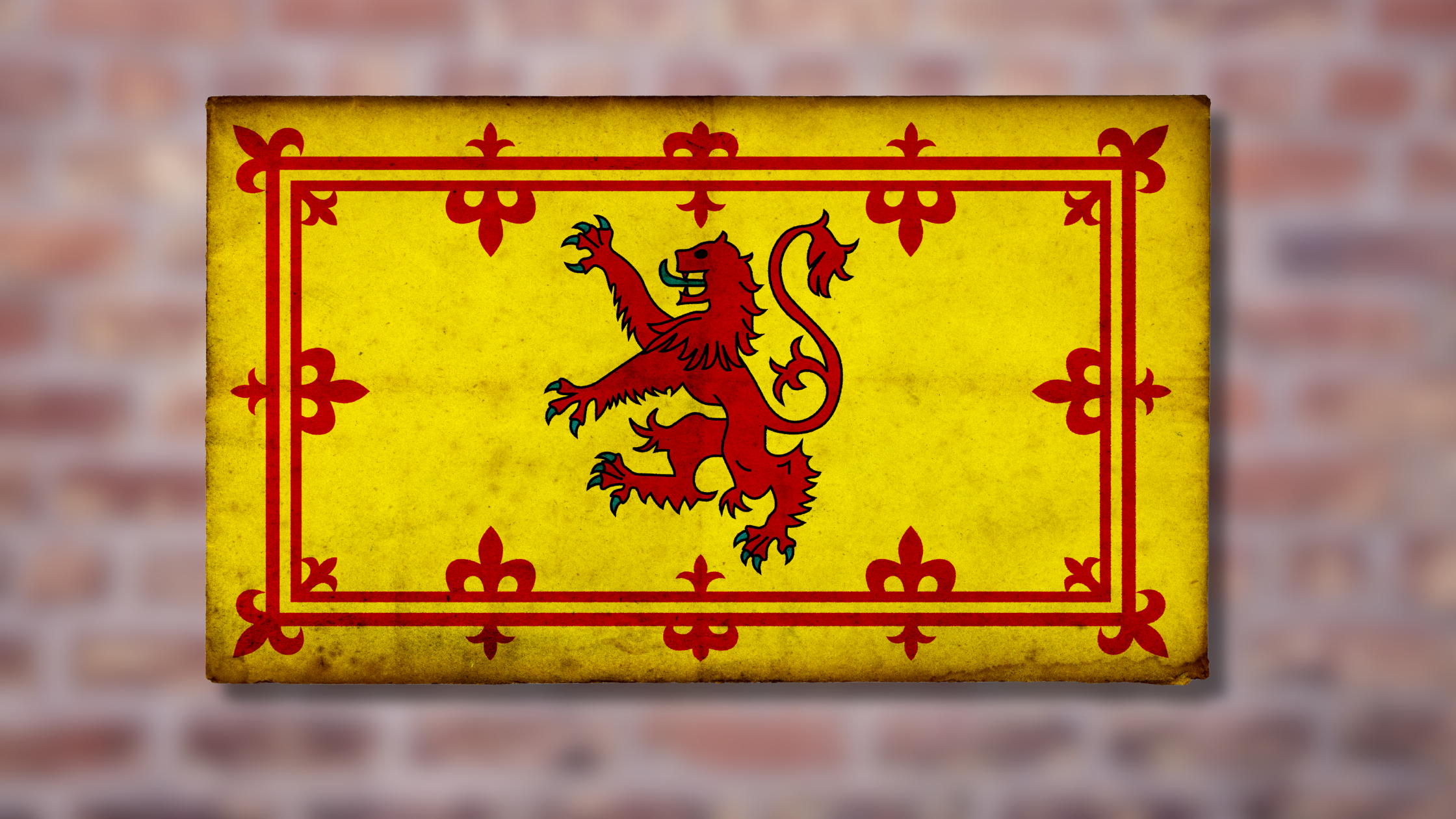
In medieval heraldry, the posture of a creature carries deep meaning. The term "rampant" refers to a wild beast depicted standing upright on its hind legs with its front paws raised in the air, claws extended, and jaws open—ready to strike.
-
Strength & Fierceness: The lion traditionally represents bravery, valour, nobility, and supreme power.
-
The Royal Motto: The symbol is deeply associated with Scotland’s historic royal Latin motto, Nemo me impune lacessit ("No one attacks me with impunity")—or in Scots, "Wha daur meddle wi' me?"
-
The Double Tressure: Surrounding the red lion is an ornate double border decorated with red lilies (fleurs-de-lis), signifying the historic military alliance between Scotland and France, known as the Auld Alliance.
2. Medieval Origins: William "The Lion"
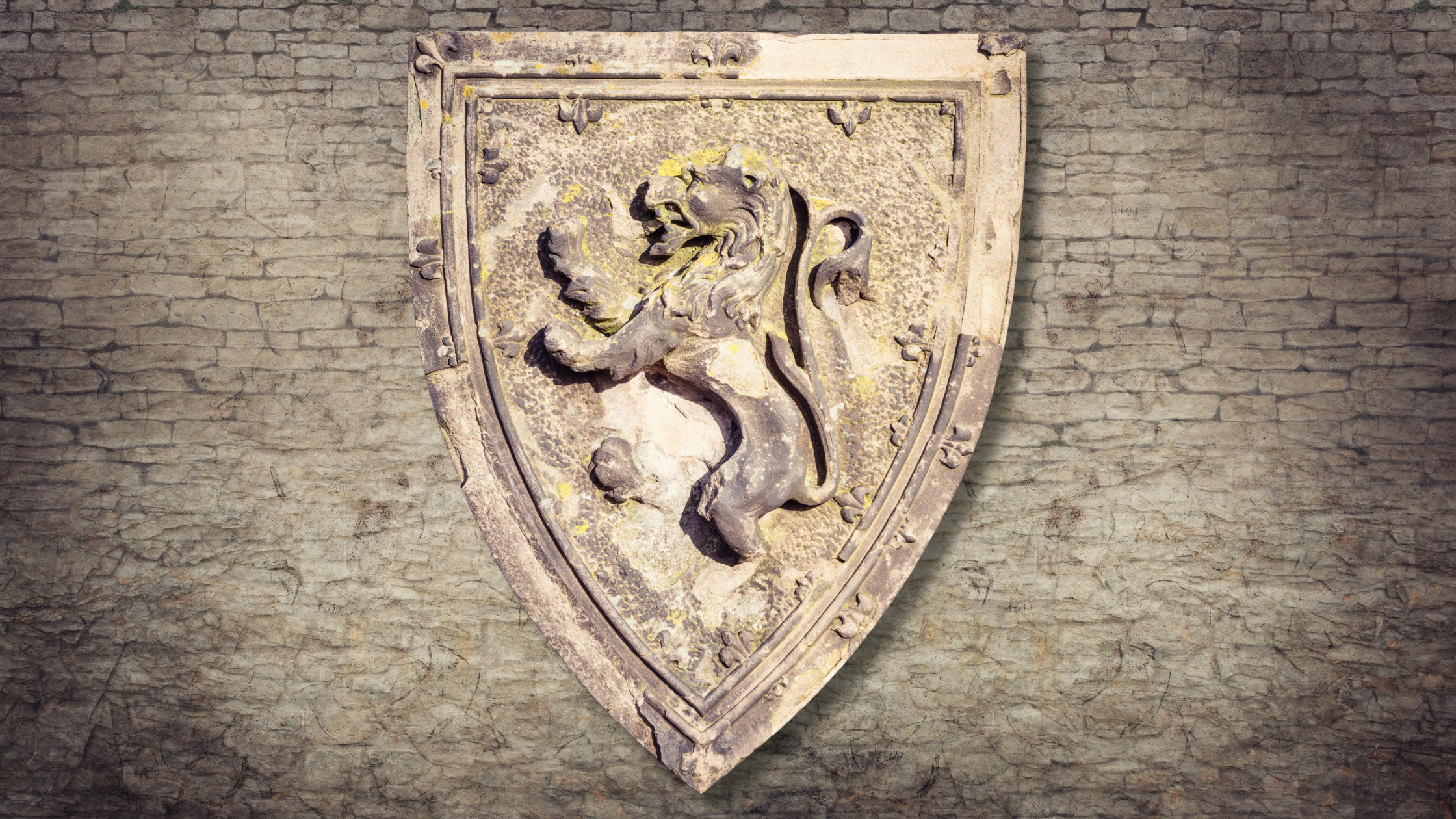
The history of the Lion Rampant dates back over 800 years to medieval Scotland. While royal seals featuring a lion were used by Alexander II in 1222, tradition firmly ties the emblem to his father, King William I (who ruled from 1165 to 1214).
-
The King's Epithet: King William I became known to history as "William the Lion" because he adopted the fierce red standing lion on a yellow field as his personal heraldic crest during battle.
-
The Royal Standard: Following William’s reign, the symbol became established as the official Royal Banner of the Royal Arms of Scotland. It was used by iconic Scottish monarchs throughout history, including Robert the Bruce and Mary Queen of Scots.
3. The Difference Between the Saltire & The Lion Rampant

Many visitors wonder why Scotland has two famous flags. While both represent Scottish pride, they have very different legal and historical meanings:
-
The Saltire (St Andrew's Cross): The blue flag with a white diagonal cross is the official national flag of Scotland. It belongs to all Scottish people and can be flown freely by anyone, anywhere.
-
The Lion Rampant: Strictly speaking, the Lion Rampant is the personal banner of the Sovereign (the King or Queen). Officially, its display is restricted to royal residences like Holyrood Palace and Balmoral Castle, or official representatives of the Crown.
-
A Symbol of Unofficial Pride: In 1934, King George V issued a Royal Warrant allowing citizens to display small hand-held Lion Rampant flags during national celebrations and sporting events. Today, it stands as a passionate symbol of Scottish defiance, sports fandom, and heritage!



Wear Your Scottish Pride with Scotland Gift Shop
Whether you prefer the historic majesty of the Lion Rampant or the classic beauty of Highland tartans, celebrate your love for Scotland with authentic Scottish gifts and apparel.
Explore our latest range of clan accessories, Harris Tweed bags, and Scottish clothing at Scotland Gift Shop. Connect with us on social media for daily historical facts and travel updates:
-
Instagram:
@ScotlandGiftShop -
Facebook:
Scotland Gift Shop -
TikTok:
@ScotlandGiftShop